
With unpredictable winter weather becoming more common this season, Best Friends Animal Society, a national nonprofit, reminds pet owners to protect their cats and dogs during cold weather events.
…
This item is available in full to subscribers.
Please log in to continue |


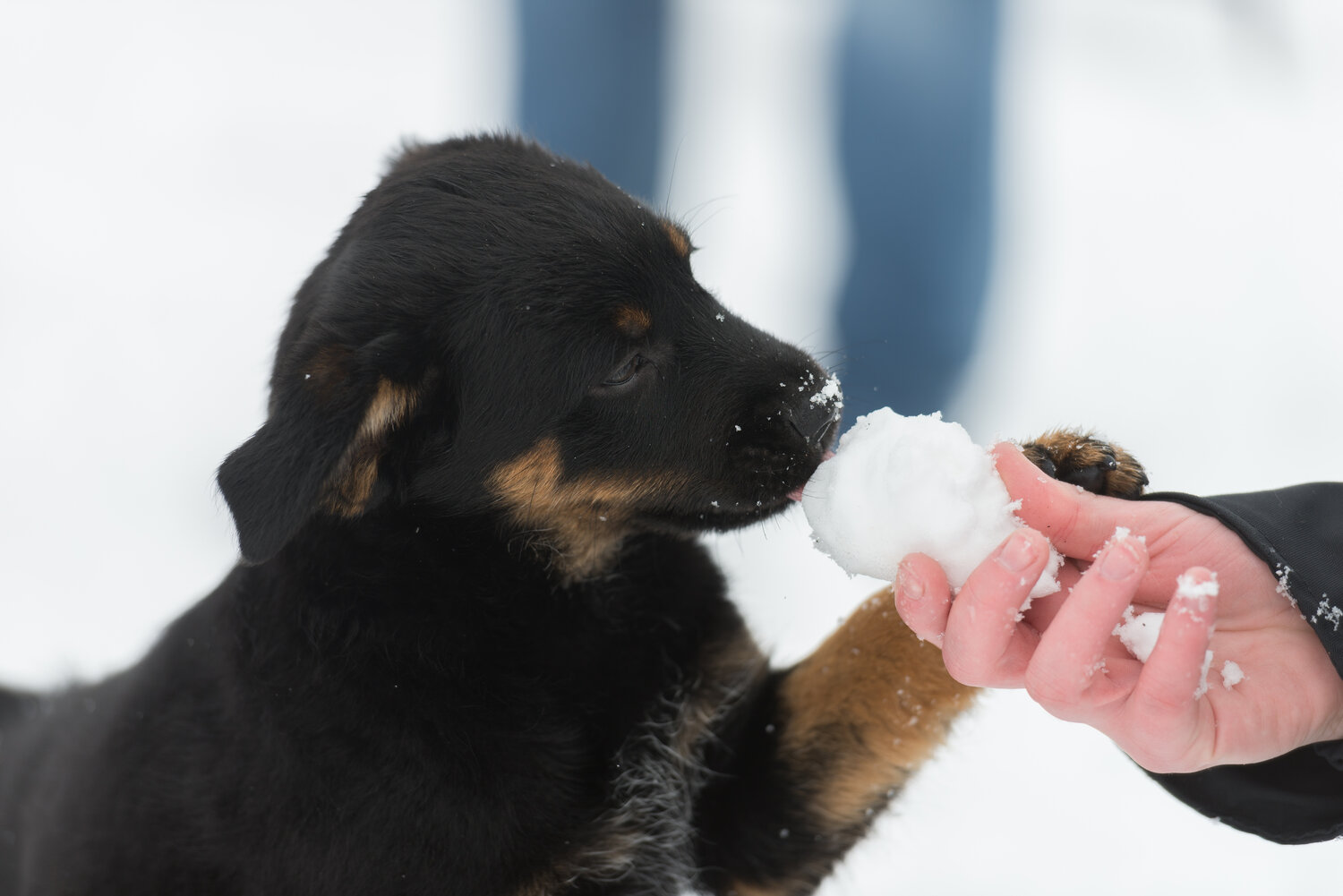


With unpredictable winter weather becoming more common this season, Best Friends Animal Society, a national nonprofit, reminds pet owners to protect their cats and dogs during cold weather events.
According to a press release from the society, "when the temperature drops, danger rises" as temperatures below 20 degrees can cause pets to develop hypothermia or frostbite. In these weather conditions, it is recommended to keep pets indoors as much as possible and limit outdoor time.
During this year's Winter Storm Enzo, Mobile Regional Airport recorded a low of 6 degrees the week of the snowfall. While single-digit temperatures are rare for the area, degrees in the 10s and 20s are not uncommon during winter seasons.
While cats are likely not venturing outdoors or being taken for walks in 20-degree weather, some neighborhood cats might seek warmth by curling up under car hoods or near vehicle engines.
"Tap the hood, look underneath or give a honk before starting your car to make sure no cats are hiding," the Best Friends Animal Society press release reads.
Dog owners are also encouraged to cover ears, paws and tails during walks and bathroom breaks, especially for small, short-haired or senior dogs.
If a dog shows they are uncomfortable by whining, lifting their paws or slowing down on walks, "that's your cue to head indoors."
Salt and ice-melt chemicals can be irritating for pets to walk on. Some chemicals such as antifreeze are extremely toxic to pets.
Wiping pets' paws with a damp towel after walks, ensuring personal use of pet-safe ice melt and using booties for added protection are some ways to protect pets' paws on walks.
A section on pet safety in cold weather on the American Society for the Prevention of Cruelty to Animals (ASPCA) website recommended massaging petroleum jelly or vet-approved protectant into paw pads before going outside to protect from some chemicals.
The ASPCA website encourages pet owners to never shave a dog down to the skin in winter and ensure your pet always has a warm blanket or pillow to allow sleeping off the floor. Overall, this organization has one tip at the top of the list.
"Remember, if it's too cold for you, it's probably too cold for your pet, so keep your animals inside," the page on pet safety reads. "If left outdoors, pets can freeze, become disoriented, lost, stolen, injured or killed. In addition, don't leave pets alone in a car during cold weather, as cars can act as refrigerators that hold in the cold and cause animals to freeze to death."
Considering a new warm, furry friend to help get through the cold weather? George Majors, manager at the Baldwin County Animal Shelter (BCAS), said currently adoption prices are half-price with dogs costing $44 and cats $39.
Fees include spay or neuter surgery, rabies vaccination and receiving up-to-date vaccinations at the time of adoption.
Residents can visit the shelter Monday through Friday from 10 a.m. to 4:30 p.m. to meet adoptable pets. The BCAS also regularly posts on its official Facebook page about their available animals.
To adopt from BCAS, adopters must be 18 or older, complete paperwork and pay the fee at the time of adoption.
If a pet has not been spayed or neutered, it will stay with BCAS until the operation is complete. If the pet has been spayed or neutered, it can go home with the new family the same day.
Majors said the BCAS typically sees an increase in adoptions during the holiday season as "many families are looking to add a pet for Christmas." He said intake of animals during the holiday season is consistent with intakes throughout the year.
According to BCAS intake/outtake records posted on the county's website, January to November in 2025 saw an average of about 103 intakes with the highest being 153 in October and the lowest being 74 in July.
BCAS saw an average of about 97 animals leaving the shelter January to November this year with the highest total being 130 in August and the lowest total being 72 in July.
Animals can leave the shelter by adoption, euthanasia, being returned to an owner or guardian, being rescued or fostered, dying or getting lost.
March and August of this year tied for the most adoptions with 44 each. April saw the least number of adoptions this year with 20.
"When you adopt from the shelter, you are giving an animal a second chance at a loving home," Majors said. "Most of the animals in our care were picked up running at large. Many of them may have had a home at one time, but for various reasons that home is no longer available, and we have become their temporary home."


