
Shrimpers along the Eastern Shore of Baldwin County say this season has been one of the most difficult they have experienced.
Significantly fewer brown shrimp are showing up in Mobile Bay, a …
This item is available in full to subscribers.
Please log in to continue |
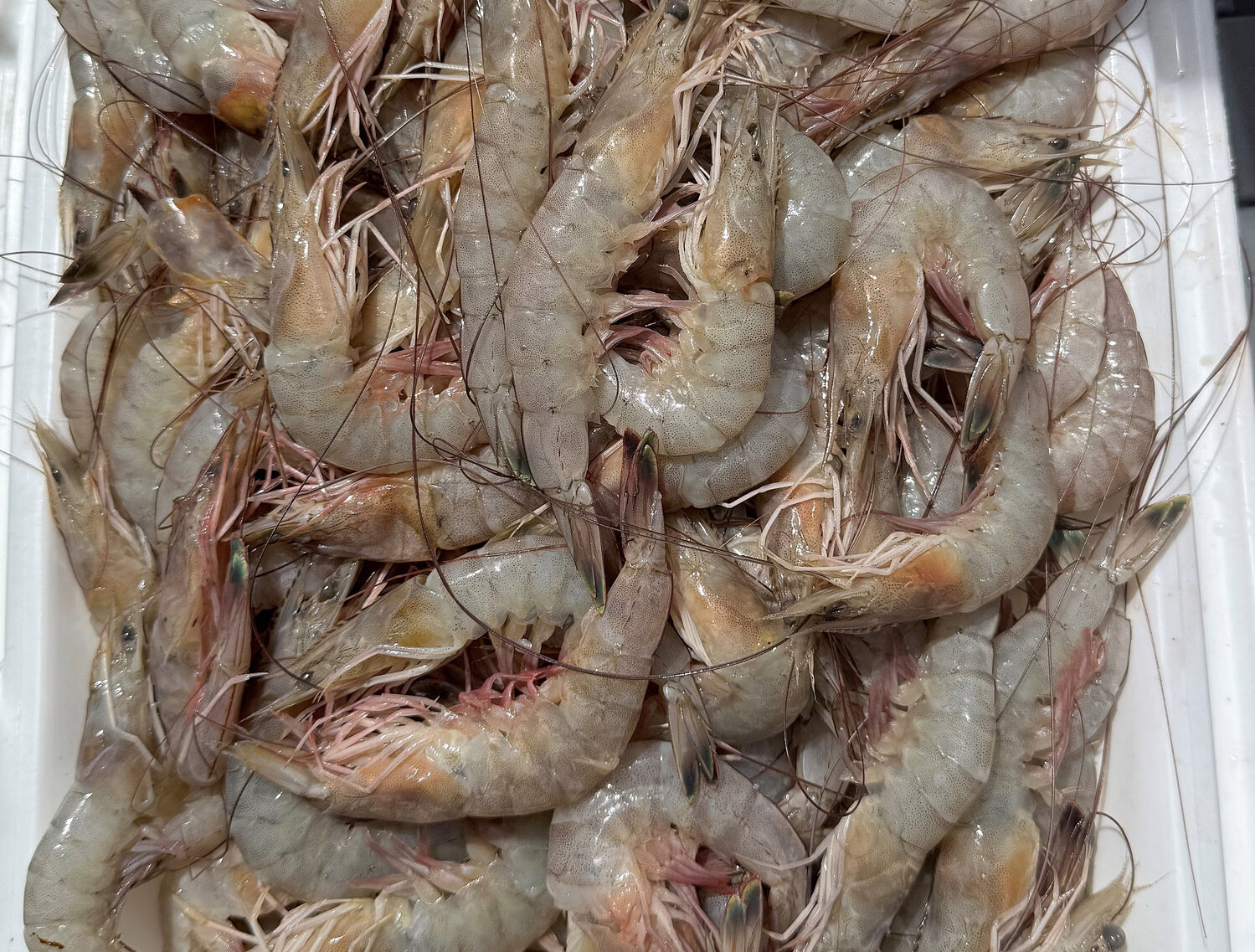
Shrimpers along the Eastern Shore of Baldwin County say this season has been one of the most difficult they have experienced.
Significantly fewer brown shrimp are showing up in Mobile Bay, a trend they believe is tied to changing environmental conditions rather than a collapse of shrimp populations.
Patrick Gormandy, owner of Heritage Seafood LLC in Fairhope, said the season started poorly and never improved.
"This season started out disappointing, and it looks like it's wrapping up the same way," Gormandy wrote in a recent social media post. "We've been out the last several days and have found nothing."
Gormandy said the problems began in the spring, when shrimpers typically start seeing shrimp return to the bay as salinity levels stabilize.
"April was just horrible. From the beginning, there was no shrimp," he said. By June — usually his most productive month — catches remained far below normal. "Usually we expect four [hundred] to 600 pounds a day," Gormandy said. "We would work all day for 100 or 200. I haven't really seen anything like that."
According to the Southern Shrimp Alliance, the struggles reported by shrimpers along the Eastern Shore are consistent with what fishermen across Alabama and Louisiana.
The alliance said the traditional brown shrimp season in Mobile Bay and the Mississippi Sound typically begins in June and lasts until mid-August, while the white shrimp season generally runs from late August through December. Historically, the brown shrimp season has been the most profitable.
However, the alliance said shrimpers began noticing changes in the early 2000s, when brown shrimp started leaving inshore waters more quickly and migrating into deeper Gulf waters.
"Shrimpers have seen the brown shrimp season change and become less productive," the alliance said, while white shrimp populations have increased over the same period.
That pattern continued this year, according to the alliance. The June 1 opening of shrimp season yielded virtually no brown shrimp in the bay.
"Shrimpers basically sat at the docks waiting for the larger-sized white season," the alliance said, noting that the white shrimp season was productive later in the fall.
Gormandy said the changing behavior may be tied to shifts in salinity and extreme weather events. Mobile Bay typically flushes freshwater runoff from rivers to the north, but extended dry conditions have altered that balance.
"The bay holds so much more saltwater than it used to," he said. "The brackish water is what the shrimp really like, and with the salinity being so high, I think we're afraid maybe they're not coming into the bay as much anymore."
He also pointed to last winter's rare snowstorm, which sent millions of gallons of freshwater into the bay over a short period of time.
"We went from an extremely high-salinity environment to a massive influx of freshwater," Gormandy said. "The water temperature dropped 8 to 10 degrees in two days. That shock likely drove everything out."
From a broader perspective, the Southern Shrimp Alliance emphasized that U.S. shrimp stocks remain abundant and sustainably managed, and that what shrimpers are seeing locally reflects shrimp movement, not disappearance.
"Shrimp have an annual life cycle and move in response to temperature and water quality," the alliance said, calling the reports from Mobile Bay a localized phenomenon.
The alliance said shrimpers have long observed similar shifts elsewhere, including shrimp moving away from the low-oxygen "dead zone" near the Mississippi River and expanding into waters off Virginia as temperatures warm.
"It is common for shrimpers in one area to find shrimp are moving away while shrimpers in another area find them more abundant," the alliance said.
Shrimpers across Alabama and Louisiana have also shared theories about why brown shrimp may be avoiding inshore waters, according to the alliance. While there is no definitive study, fishermen believe increased silt buildup on the bay floor may be a factor.
For Gormandy, the slow season has had real consequences.
"My wife and I have to figure out if we need to get an off-season job," he said. "In years past, we wouldn't even think about that."
While restaurants are still able to source shrimp from offshore Gulf boats, Gormandy said local families who rely on inshore shrimpers are feeling the impact more directly.
"My customers want to buy off my boat," he said. "A lot of them will wait for me to get shrimp, and this year, there just hasn't been much."
As the season winds down, it remains unclear whether the changes represent a temporary shift or a longer-term trend.
"Every year can't be good," Gormandy said. "But the bay has changed, and it's not as predictable as it used to be."
Gabriella Chavez is a Report for America corps member who writes about growth and development in Baldwin County and our natural spaces for Gulf Coast Media. Your donation to match our RFA grant helps keep her writing stories like this one; please consider making a tax-deductible gift of any amount today by visiting https://tinyurl.com/yaf8yf5n.


