
Trees can make a neighborhood more attractive, but their benefits may go much deeper than appearance.
From helping people manage stress to encouraging physical activity and improving air …
This item is available in full to subscribers.
Please log in to continue |
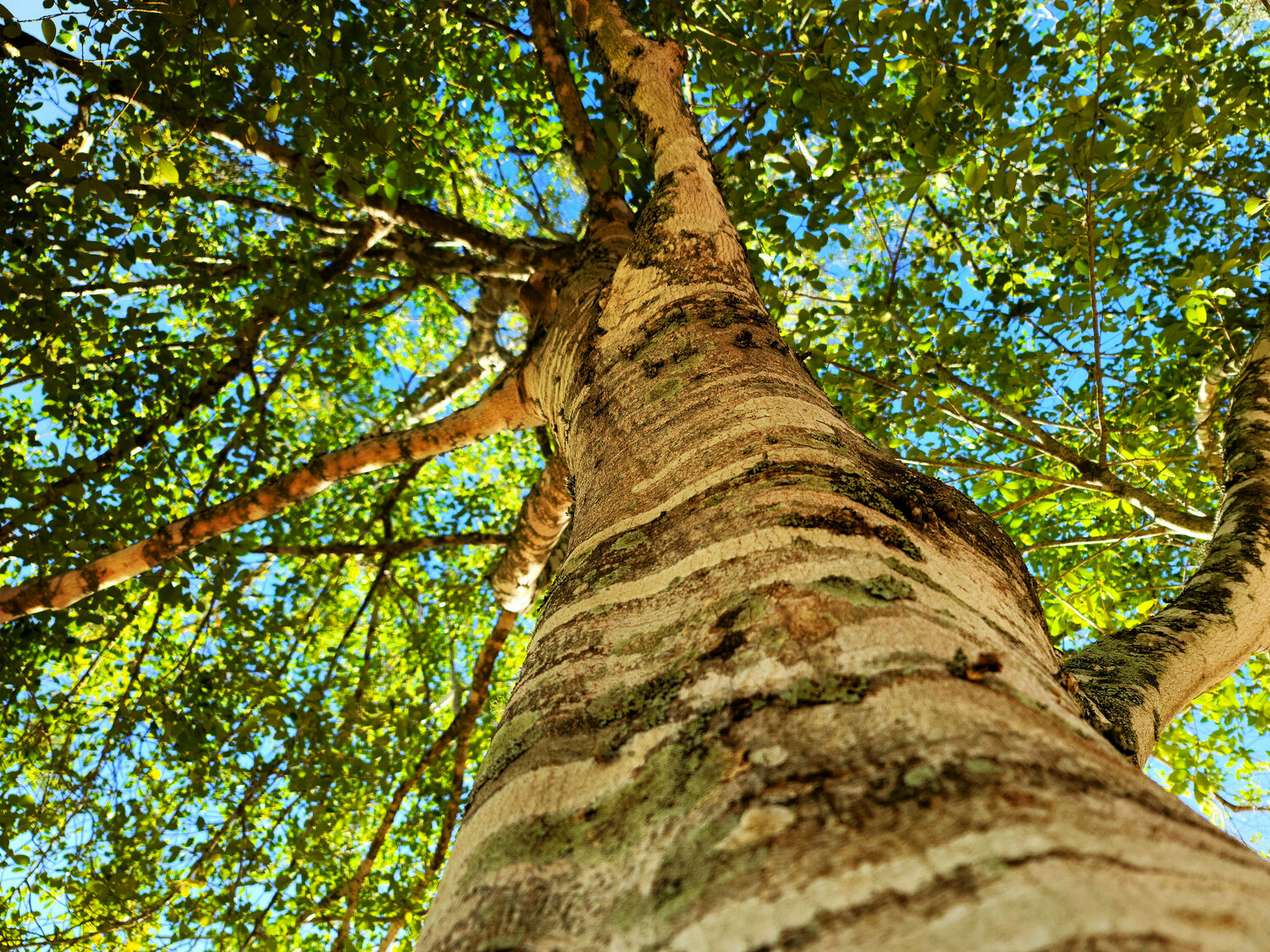
Trees can make a neighborhood more attractive, but their benefits may go much deeper than appearance.
From helping people manage stress to encouraging physical activity and improving air quality, trees can contribute to healthier communities, according to the Arbor Day Foundation’s 2025 Canopy Report and an article published by the organization Sept. 8.
The Arbor Day Foundation’s second annual Canopy Report was developed in collaboration with survey experts at The Harris Poll. In 2025, researchers surveyed 2,025 U.S. adults ages 18 and older across the country, using respondents from different backgrounds, experiences and geographic locations to produce nationally representative data.
The report found that nearly nine in 10 Americans view trees as a public health tool. It also found that 85% of Americans say spending time in nature surrounded by trees feels like hitting the reset button for their mind and soul. Another 79% said being among trees is their happy place and 87% said trees and green spaces have a noticeable impact on their wellbeing.
In its Sept. 8 article, “How Do Trees Improve Our Health?,” the Arbor Day Foundation said trees can play a role in supporting both mental and physical health.
“There’s a reason a walk through the woods can feel different from a walk down a busy street,” the foundation said in the article.
“Under a canopy of trees, we find opportunities to slow down, breathe, and step away from the demands of daily life. Fresh air. Sunshine. The sound of birds singing or leaves moving in the breeze. These simple experiences with nature can give our minds a chance to reset.”
The foundation said research increasingly connects access to green space with better mental health. The article also cited the World Health Organization’s recognition of urban green spaces as places that can support stress relief, relaxation, social connection and physical activity.
Trees may also encourage people to move more.
In the Sept. 8 article, the Arbor Day Foundation said tree-lined sidewalks and trails can provide shade and create a more comfortable setting for walking, running and biking. Parks and green spaces can also provide places for exercise, play and time outdoors.
“When trees make a neighborhood more comfortable and inviting, getting outside can just become a more natural part of everyday life,” the foundation said in the article.
The organization said that can have a ripple effect. A walk after dinner may become more appealing, a shaded trail can make a summer bike ride more manageable and a nearby park can create a place for children to play.
The potential health benefits of trees also extend to the physical environment, according to the article.
“Trees act as natural air filters, capturing pollutants and improving air quality. Their canopies provide shade and cooling, while their roots absorb and slow stormwater, helping reduce runoff and flooding,” the Arbor Day Foundation said.
The foundation said mature trees can cool neighborhoods by as much as 10 degrees Fahrenheit through shade and evaporative cooling. The article described that as an increasingly important benefit as extreme heat becomes a growing public health threat.
The Sept. 8 article also cited research finding associations between greater neighborhood tree canopy and better health outcomes, including lower rates of cardiovascular disease.
The foundation pointed to a 2024 U.S. Forest Service study in Portland, Oregon, which found that neighborhoods where more trees were planted experienced lower rates of cardiovascular and premature mortality. Over a 15-year period, planting an average of 1,638 trees each year was associated with 15.6 fewer deaths annually. The article said the associated health benefits increased as the trees matured.
Additional research has examined the relationship between regular exposure to trees and long-term health.
A Sept. 15, 2021, article from Harvard T.H. Chan School of Public Health examined research involving Peter James, an assistant professor in its Department of Environmental Health.
The article, “The health benefits of trees,” said a growing body of research shows that regularly spending time around trees provides a wide range of human health benefits, from lowering stress to improving cognition to boosting longevity.
In a Sept. 8, 2021, interview with WBUR’s Radio Boston referenced by the Harvard article, James said trees’ effects on people “translate into long-term changes in the incidence of depression, anxiety, cognitive decline and chronic diseases including cardiovascular disease and cancer.”
James’ research combines health data from phones, including real-time surveys about wellbeing and mood, with street-view mapping data to examine whether people are being exposed to nature and whether it improves health outcomes, according to the Harvard article.
The article said James encouraged people to spend more time around trees, but he also said it is important for policymakers to maintain and plant more trees, develop more parks and fund research about trees’ health benefits.
“A lot of the work that I do shows that people are not really gaining a big benefit by going to Yosemite,” James said in the article. “It’s really about having trees as part of our everyday lives.”
The emphasis on everyday access may be particularly important because the benefits of trees are not equally available in every community.
The Arbor Day Foundation’s 2025 Canopy Report found that 73% of Americans wish their neighborhoods had more trees, while half said they need to drive to the nearest park or natural area.
“Access matters because the benefits of trees are experienced where people live, work, and spend time every day,” the Arbor Day Foundation said in its Sept. 8 article.
The foundation said the differences in access mean people can experience very different environmental conditions based simply on where they live.
The Sept. 8 article also cited the World Health Organization’s findings that improving urban green spaces can produce positive health, social and environmental outcomes, particularly when communities are meaningfully involved in planning and using those spaces.
Planting and caring for trees, the Arbor Day Foundation said, is therefore about more than adding greenery to a landscape.
“It’s about creating healthier places and making the benefits of nature more accessible to more people,” the foundation said in the article.
The organization acknowledged that trees cannot solve every public health challenge, but said few community investments can address so many of the factors that shape everyday wellbeing.
“In other words, trees aren’t simply an amenity. They are infrastructure that can help communities become healthier, more resilient, and more livable,” the Arbor Day Foundation said.


