
Few plants embody the spirit of the holiday season like the bright, cheerful poinsettia. Whether displayed in front doors, churches, businesses or glowing across a garden center like Cooper Farm, …
This item is available in full to subscribers.
Please log in to continue |
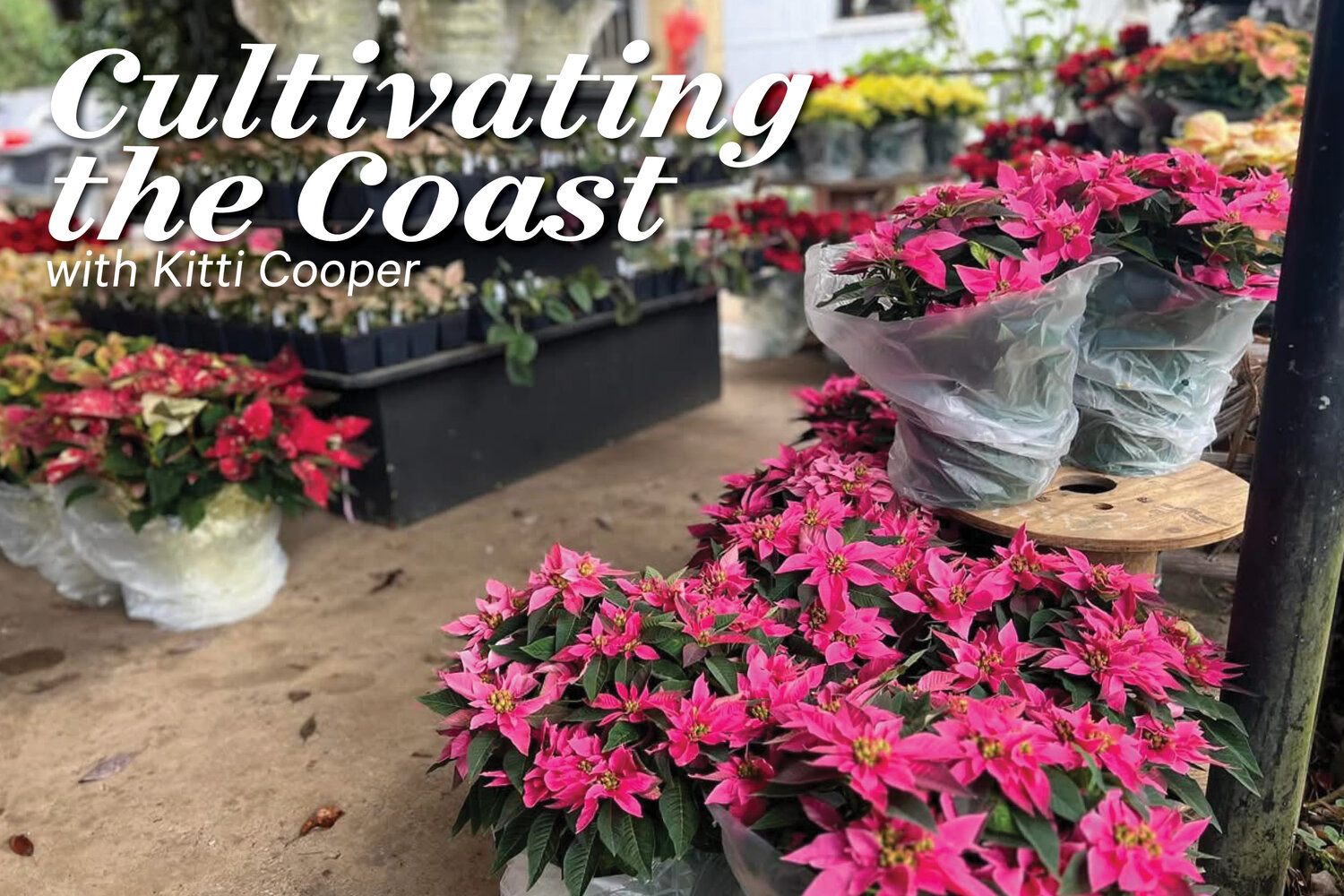
Few plants embody the spirit of the holiday season like the bright, cheerful poinsettia.
Whether displayed in front doors, churches, businesses or glowing across a garden center like Cooper Farm, poinsettias have become a symbol of Christmas cheer across the United States. But beyond their signature red bracts lies a surprising history rooted in ancient cultures, political diplomacy, botanical quirks and even a native Alabama cousin that most residents have never heard of.
This article will take you through the origin and history of poinsettias, how to grow and care for them on the Gulf Coast, the truth about their toxicity and the fascinating story of Alabama's very own wild poinsettia.

The plant we know as the poinsettia, Euphorbia pulcherrima, is native to the tropical forests of southern Mexico. Long before it graced our Christmas decorations, it held significant meaning for the Aztecs.
Dye: The Aztecs extracted deep red dye from its bracts to color textiles and cosmetics.
Medicine: The milky sap (like all Euphorbias) was used in traditional remedies to reduce fevers and treat some skin conditions.
Symbolism: The red bracts represented purity, new life and renewal.
The plant entered American horticulture through Joel Roberts Poinsett, the first U.S. ambassador to Mexico, in 1825.
While exploring the Mexican countryside, Poinsett became fascinated with the plant's bright red bracts. He shipped cuttings back to his greenhouse in South Carolina. The plant quickly spread among American gardeners, ultimately leading to the name "poinsettia" in his honor.
Every year, Dec. 12 is celebrated as National Poinsettia Day, marking both Poinsett's death and the plant's cultural impact.
Though introduced in the 1820s, poinsettias didn't become a December must-have until the 20th century. The turning point came from a single visionary family: the Ecke family of California.
They developed methods for cultivating compact, bushy, ready to sell plants. They were originally only used as cut stems in fresh floral arrangements due to the difficulty cultivating them in containers.
They used innovative marketing, placing poinsettias on The Tonight Show, Bob Hope Christmas specials and magazine covers.
They supplied almost 90% of America's poinsettias at one point.
Their efforts cemented poinsettias as the official plant of Christmas.

The bright red "flower" of the poinsettia is not a flower at all; it's a bract, a modified leaf. The true flowers are the tiny yellow structures in the center called cyathia.
Poinsettias are short-day plants, meaning they develop color only when they receive 14-plus hours of uninterrupted darkness each night for six-eight weeks.
In Mexico, this naturally begins in mid-October, just as nights grow longer.
Growing poinsettias in Alabama (Zones 8b-9a) is easier than people think, especially with our mild winters along the Gulf Coast. You can grow them indoors as houseplants, outdoors as perennials in protected areas or maintain them for re-blooming next Christmas.
Light
Bright, indirect light is ideal.
Avoid direct afternoon sun through a window — it can scorch bracts.
East-facing windows are perfect.
Temperature
Maintain:
65-75 degrees during the day
60-65 degrees at night
Keep away from:
Drafts
Heater vents
Fireplaces
Cold entry doors
Temperature stress is the #1 cause of early leaf drop.

Watering
Water when the top inch of soil feels dry.
Always remove foil or punch holes so excess water can drain.
Never let poinsettias sit in water — this causes root rot quickly.
Humidity
They prefer moderate humidity. If your home is dry, place the plant on a pebble tray with water.
Along the Gulf Coast, poinsettias can be grown outside year-round with protection.
Cold Tolerance
Poinsettias are tropical. They can survive:
Brief dips to 38-40 degres
Damage at 35 degrees
Death below 32 degrees
If you plant them outside:
Choose a protected south-facing wall.
Mulch heavily.
Cover during hard freezes.
Many Baldwin County gardeners grow these as perennial shrubs that bloom every December.
Soil
Well-draining
Slightly acidic to neutral
Amend with compost to encourage strong growth
Sun
Morning sun, afternoon shade
Too much sun = leaf scorch
Too little = leggy growth


Remove fading bracts.
Reduce watering slightly.
Keep in bright light.
When nights remain above 50 degrees, move plant outside into dappled shade.
Begin fertilizing every two weeks with a balanced fertilizer.
Prune to six-eight inches tall to encourage branching.
Repot into a slightly larger container if needed.
Pinch back new growth again.
This creates the full, bushy plant that florists love.
This is the critical step.
For eight weeks, poinsettias require:
14-16 hours of complete darkness every night
Bright light during the day
Ways to provide darkness:
Place in a dark closet from 5 p.m.-8 a.m.
Cover with a cardboard box
Use a lightproof grow tent
Put in a shuttered laundry room
Miss even one night of darkness? The color can delay by weeks.
Once bracts color, return to normal care.
Display proudly at the holidays.
Many Alabama gardeners are surprised to learn that we have our own native poinsettia species, and it grows wild throughout the state especially in Baldwin, Mobile, Escambia and Washington counties.
Common names: Wild Poinsettia, Mexican Fireplant, Painted Leaf
While it's less showy than its Christmas cousin, it has bright red or orange tinged bracts that color naturally in late summer and early fall.
It loves the Gulf Coast's heat, humidity and long summers.
Height: 1-3 feet
Leaves: Often variable ("hetero-phylla" = differing leaves)
Bracts: Often red-tipped or fully red in late summer
Stem: Slim with typical Euphorbia milky sap
Flowers: Small, greenish-yellow cyathia
Not typically, but it self-seeds heavily, so gardeners often pull seedlings.
In cultivated beds, it behaves like a mild "volunteer" plant, easy to remove if unwanted.

Feature
Euphorbia pulcherrima (holiday)
Euphorbia heterophylla (Alabama native)
Leaf color
Large red bracts
Small red-tipped bracts
Size
2-4 ft (potted) or 10 ft (tropical)
1-3 ft
Bloom time
Winter
Late summer–early fall
Growth habit
Shrubby
More weedy/annual
Winter tolerance
Frost-tender
Warm-season annual
Cause: cold drafts, overwatering, sudden temperature swings.
Solution: stabilize conditions, avoid cold windows or doorways.
Cause: underwatering or overwatering.
Check soil moisture; it tells the real story.
Cause: too little light, root rot or nutrient deficiency.
Bright light and good drainage fix most issues.
Cause: stray light during the photoperiod process.
Even a porch light or phone glow can interrupt the cycle.

Fully colored bracts with no green patches
Tight, fresh yellow cyathia (flowers)
Firm stems
Dark green leaves all the way down
No signs of wilting
No leaf drop
No leggy growth
They can live for years.
They're easy to regrow and rebloom.
They're rarely impacted by pests.
They can be kept as shrubs in warm climates.
They pair beautifully with other winter annuals, reducing waste.
Poinsettias are more than a holiday decoration. They are a plant with deep cultural roots, botanical fascination and surprising versatility. From their beginnings as Aztec dye plants to becoming America's symbol of festive cheer, they hold a story worth sharing.
On the Gulf Coast of Alabama, where winters are mild and gardening is a year-round passion, poinsettias can thrive as indoor houseplants, outdoor perennials or even educational tools to connect families with the beauty of the season.
And Alabama's own native poinsettia, Euphorbia heterophylla, adds a special local twist to the story, one that reminds us of the diverse plant heritage growing right in our backyard.


