
The Alabama Gulf Coast is a paradise for gardeners and bird lovers alike.
Nestled between warm coastal breezes, long growing seasons, and vibrant native flora, the region provides the perfect …
This item is available in full to subscribers.
Please log in to continue |
The Alabama Gulf Coast is a paradise for gardeners and bird lovers alike.
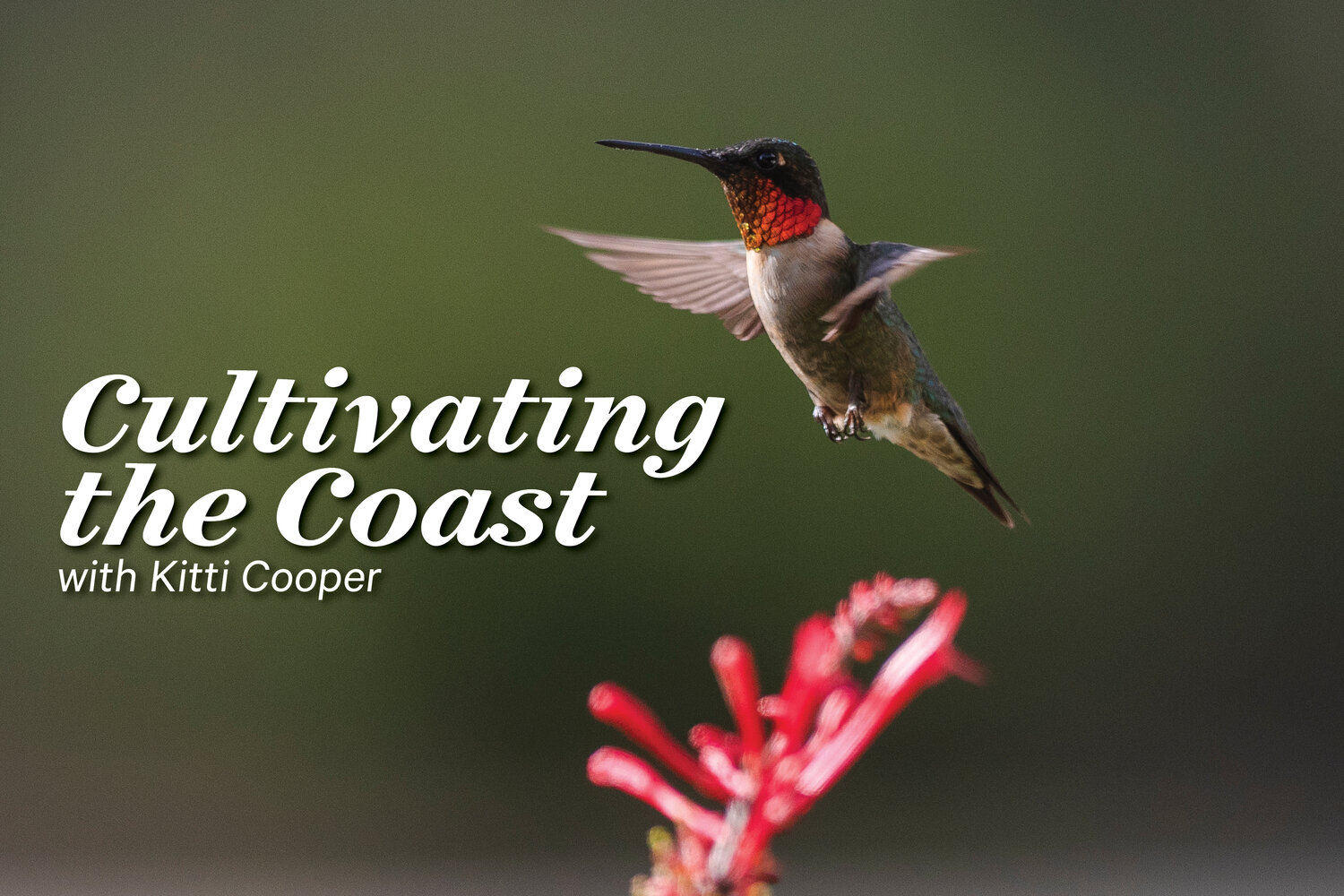
Nestled between warm coastal breezes, long growing seasons, and vibrant native flora, the region provides the perfect backdrop for one of nature's most captivating visitors: the hummingbird. These tiny, iridescent powerhouses are more than a delight to watch, they play an essential role in pollination and are indicators of a healthy ecosystem.
If you've ever marveled at the whir of wings and sudden flashes of emerald and ruby zipping across your yard, you already know the joy of hummingbirds. But what exactly brings them to your garden, what keeps them coming back, and how can Gulf Coast gardeners create safe havens for these birds year after year?
This guide covers it all: from the flowers they love to the feeders they need, to understanding their incredible migration journeys.
Hummingbirds are not just beautiful; they are functional members of a healthy landscape. On the Gulf Coast, where subtropical humidity mixes with long summers, hummingbirds help pollinate many native and ornamental plants. Their feeding habits encourage biodiversity by ensuring that nectar-rich flowers reproduce successfully.
The Alabama Gulf Coast is a critical stopover point for hummingbirds during migration. Ruby-throated hummingbirds, the most common species in this region, travel thousands of miles each year.
Spring migration (February–April): Hummingbirds leave their wintering grounds in Central America and Mexico, crossing the Gulf of Mexico in a single nonstop flight that can last up to 20 hours. By late February to early March, they begin appearing in coastal Alabama gardens, tired and hungry, searching for energy-rich nectar sources.
Fall migration (August–October): After breeding further north, hummingbirds funnel back down to the Gulf Coast to rest and refuel before heading south. Peak migration along the Alabama coast is usually mid-September through early October, making fall just as important as spring for supporting them.
Because of its location, the Gulf Coast acts like an oasis for hummingbirds. The availability of nectar-rich gardens and reliable feeders can literally mean the difference between life and death for migrating birds. By planting strategically and maintaining safe feeders, coastal gardeners become part of this survival chain.
Hummingbirds are highly visual and are especially attracted to tubular-shaped flowers, which fit their long, slender bills and tongues. Red is the standout color — they see it vividly and associate it with nectar. But they will also visit orange, pink, purple, and blue blossoms.
Best flower traits for hummingbirds:
• Tubular shape
• Bright colors (especially red and orange)
• Abundant nectar production
Because the Alabama Gulf Coast has a long growing season, you can design a garden that provides food nearly year-round.
Spring: Coral honeysuckle (Lonicera sempervirens), columbine, and early-blooming salvias.
Summer: Fire spike, turk's cap, pentas, bee balm, and salvia varieties.
Fall: Cardinal flower, pineapple sage, Mexican sage, and shrimp plant.
Winter (if mild): Camellias and winter-flowering salvias can offer supplemental food.
While non-native ornamentals like fire spike and shrimp plant are beloved hummingbird favorites, native plants are equally valuable because they provide not only nectar but also habitat for the insects that hummingbirds occasionally eat for protein. A balanced garden includes both.
Here are some reliable performers for Gulf Coast gardens:
Salvia (Sage): From native Salvia coccinea (Scarlet Sage) to ornamentals like Mexican Bush Sage, salvias are the backbone of a hummingbird garden.
Fire Spike (Odontonema strictum): Bright red spikes from summer into fall keep hummingbirds returning.
Coral Honeysuckle: A native vine that blooms profusely and provides cover.
Trumpet Vine: Vigorous and nectar-rich, though best planted in a controlled space.
Cardinal Flower (Lobelia cardinalis): A moisture-loving native that thrives in Gulf Coast wetlands.
Pentas and Lantana: Garden staples that provide color and nectar in abundance.
Pineapple Sage: A fall-blooming herb with scarlet blossoms that coincide with migration.
Planting a combination ensures a continuous bloom cycle, meeting hummingbirds' needs from early spring arrival through fall departure.
If flowers are the main course, feeders are the emergency fuel stations. But feeders must be done right.
Homemade nectar: The best recipe is 1 part white granulated sugar to 4 parts water. Boil the mixture, let it cool, and fill feeders. This closely mimics natural nectar.
No red dye: Hummingbirds don't need it, and artificial dyes can harm their health. Instead, use feeders with red parts to attract them.
Change often: On the Gulf Coast, where heat and humidity accelerate spoilage, nectar should be changed every 2–3 days in summer and at least weekly in cooler months.
No honey: It ferments quickly and grows harmful fungi.
No artificial sweeteners: Birds need calories, not chemicals.
No brown sugar or molasses: These contain minerals harmful to hummingbirds.
• Hang feeders in the shade to slow fermentation.
• Keep them at eye level or slightly higher for easy monitoring.
• Space multiple feeders apart to reduce territorial aggression.
• Clean feeders thoroughly with hot water and a brush (no soap) each time you refill.
Think beyond nectar. Hummingbirds also need perches, shelter, and water.
Trees and shrubs: Provide resting spots and nesting cover. Native oaks, yaupon holly, and wax myrtle are excellent choices.
Water features: Hummingbirds love misting fountains or drippers where they can bathe and preen.
Perches: Thin branches, trellises, or wires give them places to survey their territory.
Plant early bloomers like cardinal flower and coral honeysuckle for spring migrants.
Keep summer hummingbirds happy with fire spike, salvias, and pentas.
Time fall bloomers like pineapple sage to coincide with the southward migration.
By staggering bloom times, you create a nectar calendar that sustains hummingbirds year-round.
Overcrowding feeders in one spot: Leads to fighting and stressed birds.
Letting nectar sit too long: Molds and ferments quickly in Gulf heat.
Planting only one bloom season: Gaps in food supply discourage visits.
Using pesticides: Pesticides kill the insects that hummingbirds also depend on for protein.
Assuming red is the only color: While attractive, hummingbirds also happily feed from purple, pink and orange flowers.
Every spring and fall, thousands of hummingbirds rely on Gulf Coast gardeners for safe landing zones. By planting diverse nectar-rich flowers and maintaining clean feeders, you are not just decorating your yard, you're supporting an ancient migratory cycle.
Your garden becomes a pit stop for birds flying hundreds or even thousands of miles. Without these oases, their survival rates plummet. And when they return each year, your garden becomes a familiar refuge, a memory written into their migration map.


