
SILVERHILL —Mobile Baykeeper launched a series of public listening sessions Nov. 20 with a meeting in Silverhill, where residents and environmental advocates raised concerns about how Baldwin …
This item is available in full to subscribers.
Please log in to continue |
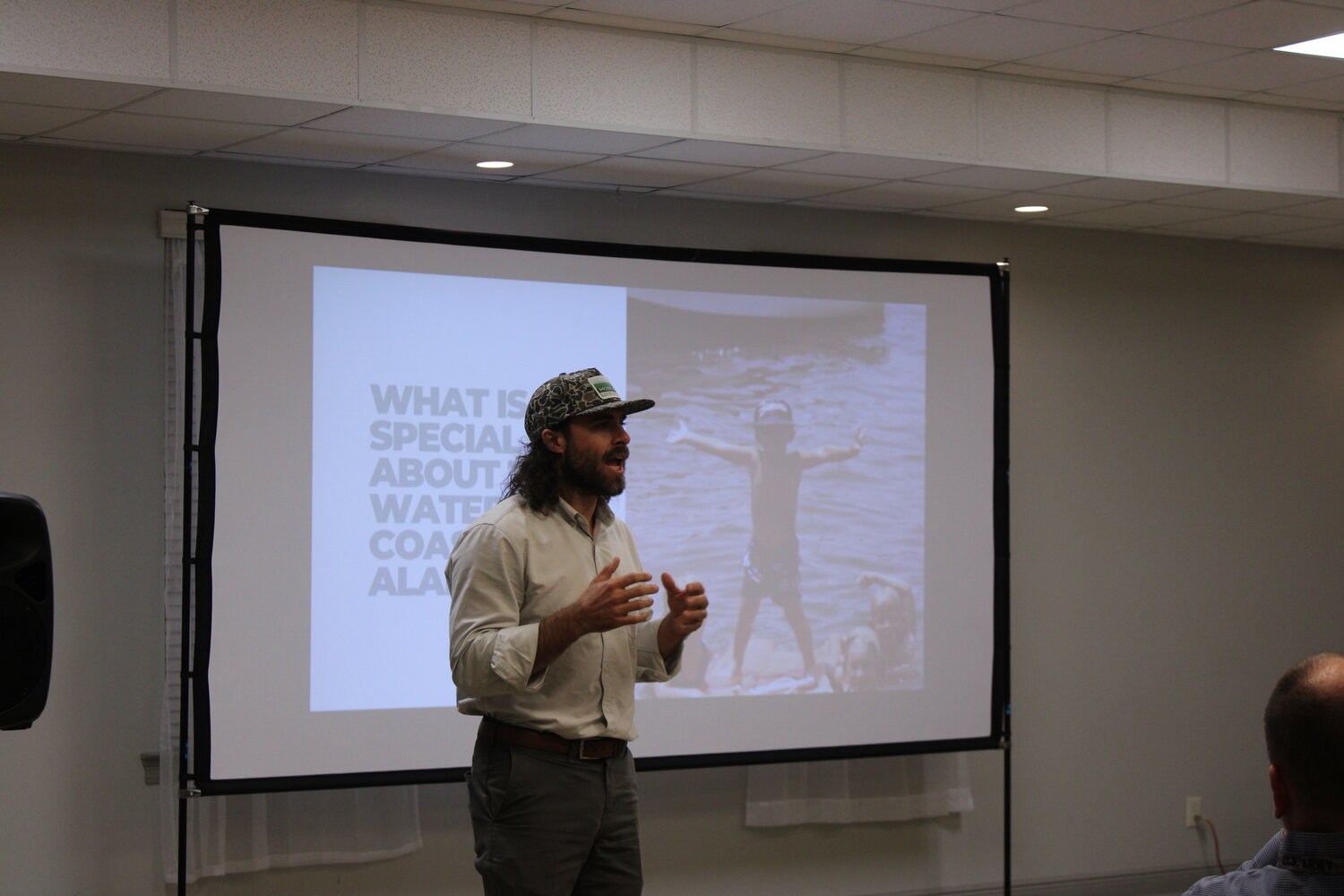
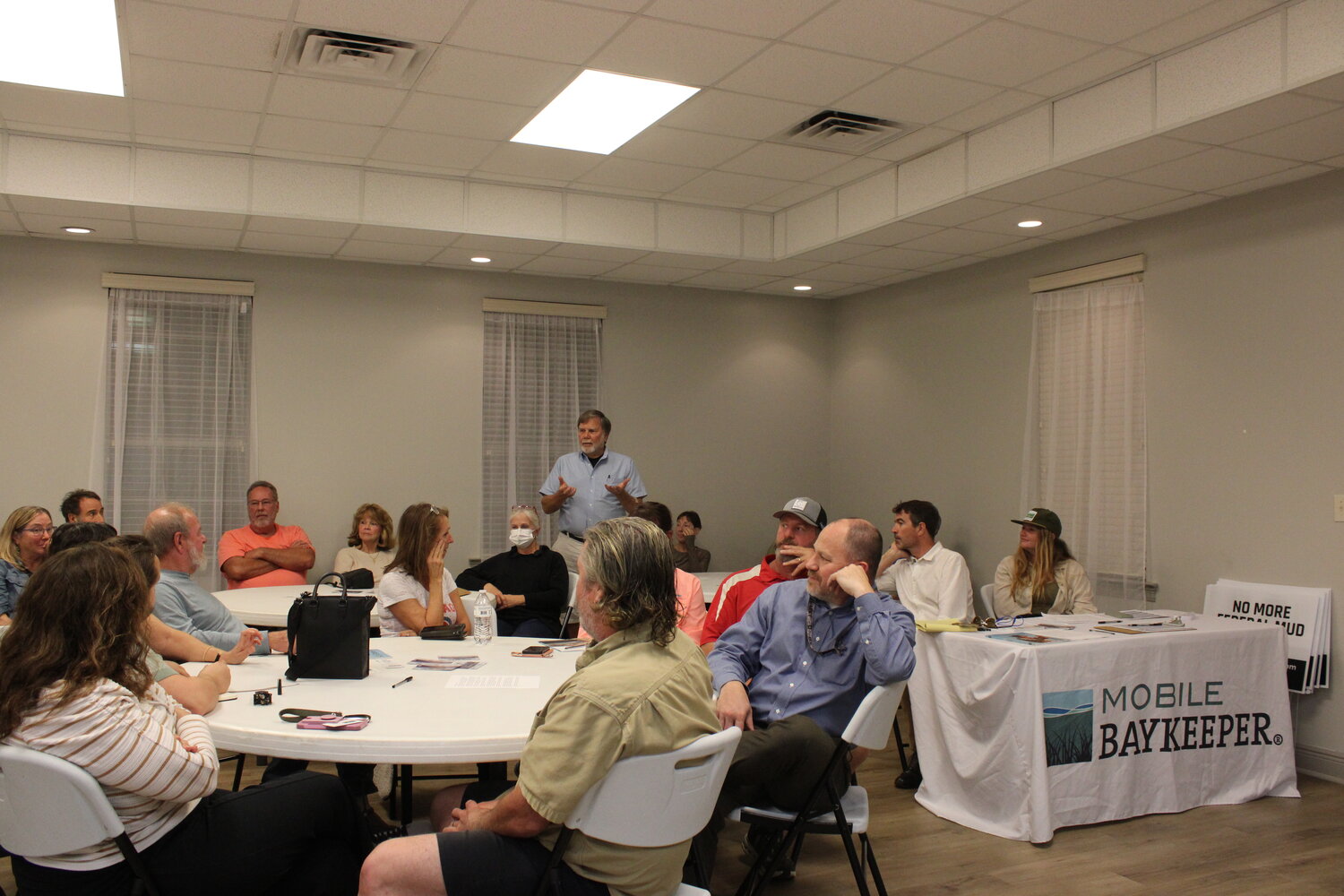
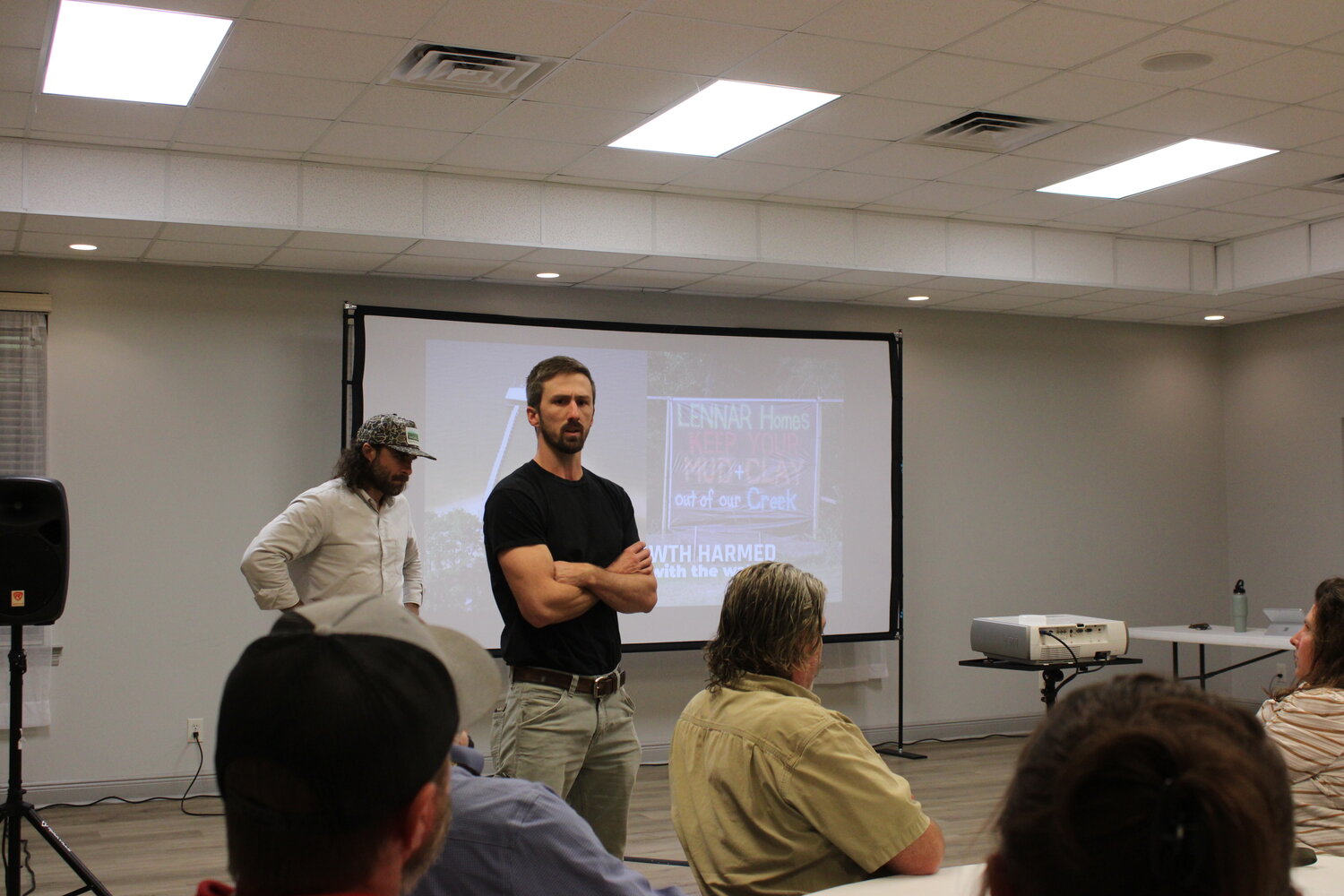
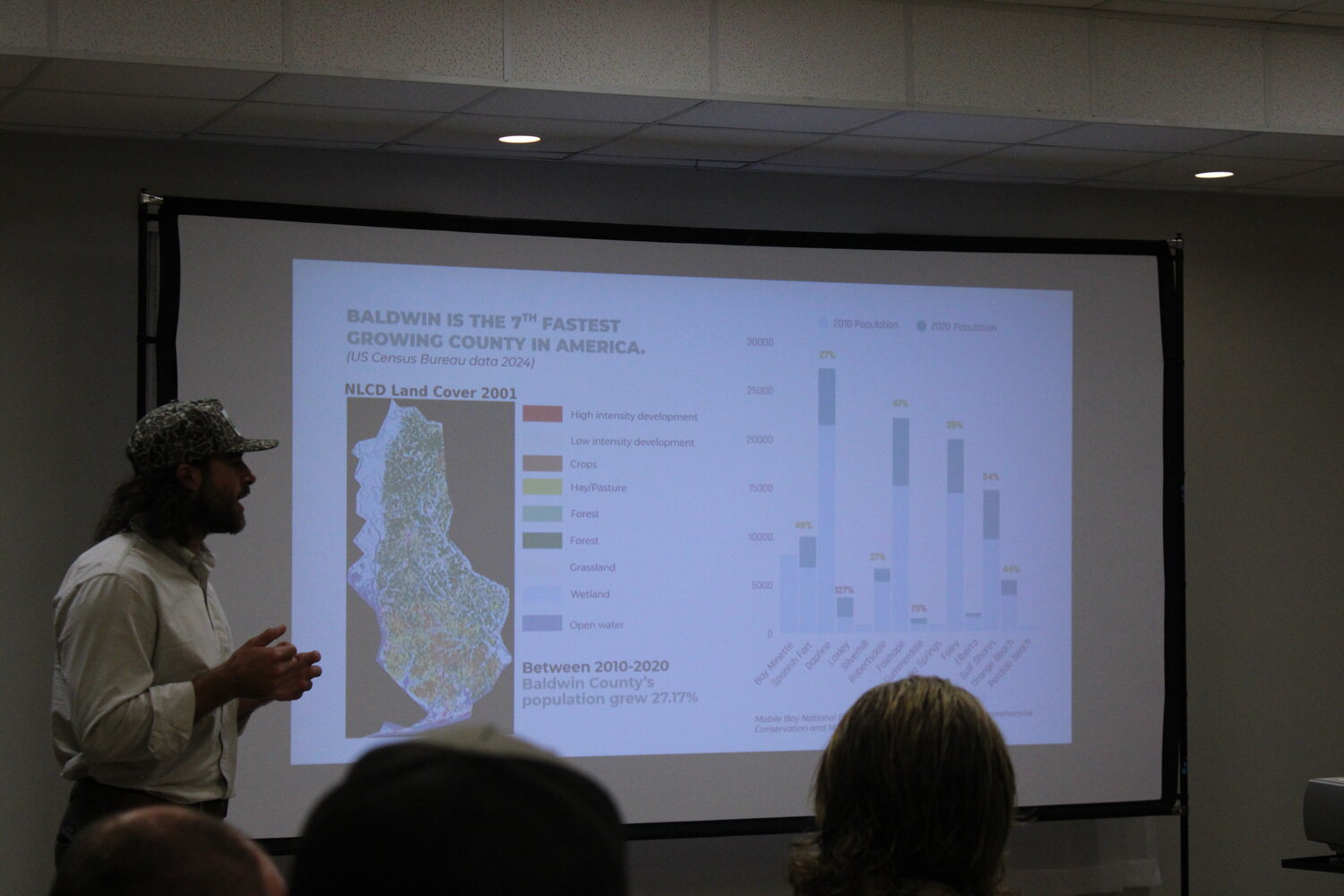
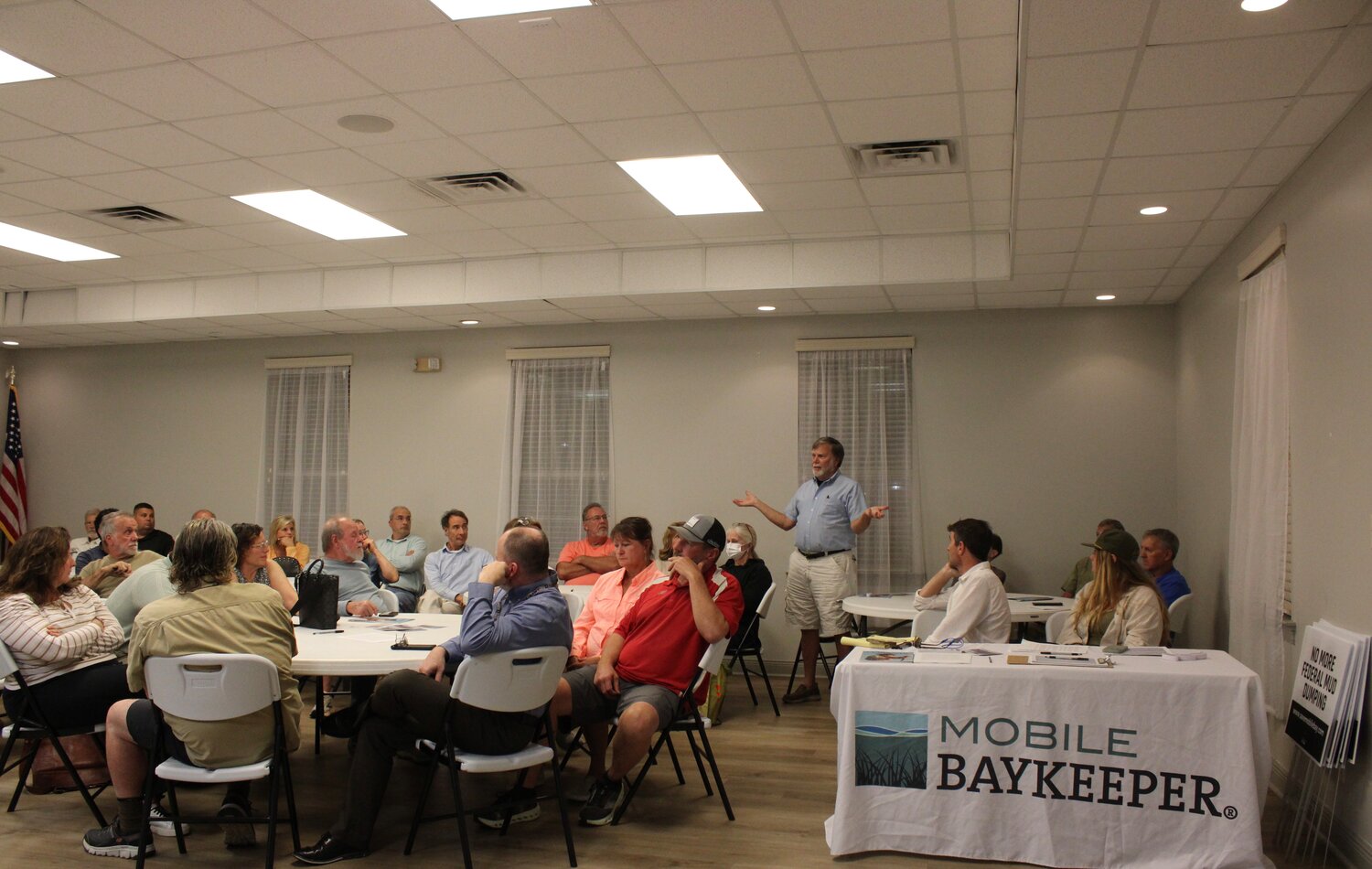


SILVERHILL —Mobile Baykeeper launched a series of public listening sessions Nov. 20 with a meeting in Silverhill, where residents and environmental advocates raised concerns about how Baldwin County's rapid growth is straining wetlands, stormwater systems and local waterways.
The nonprofit plans additional sessions in Gulf Shores and Fairhope as it gathers feedback to shape a slate of policy recommendations early next year.
Baykeeper Executive Director William Strickland told the crowd that Baldwin County's population boom is increasingly visible on the landscape and in the water. He said sediment from construction sites, sewer overflows and the ongoing loss of wetlands are contributing to declines in seagrass and oysters, two systems critical to water quality and coastal resilience.
"And most of what we're seeing is happening under the rules that already exist," Strickland said. "We have to do things that are actually going to be effective."
Residents described their own experiences with infrastructure overwhelmed by growth. Some said they believe sewage spills were being underreported. Silverhill resident Daniel Cooper said raw sewage leaked into a pond on his family's property for about 10 days earlier this year, killing fish and producing a strong odor. The incident was logged as a spill between 1 and 10,000 gallons, which Cooper said did not reflect the severity.
"We want accountability," he said. "If you are underestimating it, you're not going to be able to solve it."
Other attendees pointed to flooding problems they believe have worsened as wetlands are filled or developed. Several said they had seen new subdivisions built on land that once absorbed stormwater, leaving nearby roads and yards more vulnerable during heavy rain.
Strickland said Baykeeper is not yet backing specific solutions but is evaluating tools used in other fast-growing regions. Options under consideration include prioritizing infill development over sprawl, restoring wetlands, improving stormwater retention standards and increasing transparency from wastewater utilities.
Baldwin County's development has brought economic benefits — including school expansion, tourism revenue and new housing — but Strickland warned the county is approaching a tipping point. Mobile Bay has lost nearly all of its historical seagrass, and oyster populations have dropped an estimated 85% since the 1960s, according to commercial landings data presented by Baykeeper.
"Those systems protect us," he said. "They filter water. They support our fisheries. They buffer our coast. Losing them has real consequences."
Baykeeper will compile feedback from all three listening sessions and expects to release its recommendations early next year. Strickland said the goal is not to halt growth but to help the county manage it in a way that doesn't jeopardize the waterways that define the region.
"We need community input," he said. "That's the only way we make sure these waters stay healthy for the long term."
Gabriella Chavez is a Report for America corps member who writes about growth and development in Baldwin County and our natural spaces for Gulf Coast Media. Your donation to match our RFA grant helps keep her writing stories like this one; please consider making a tax-deductible gift of any amount today by visiting https://tinyurl.com/yaf8yf5n.


