
As another hurricane season unfolds, Baldwin County officials say lessons learned from Hurricane Sally have strengthened the county's preparedness — but they stress residents must do their part …
This item is available in full to subscribers.
Please log in to continue |
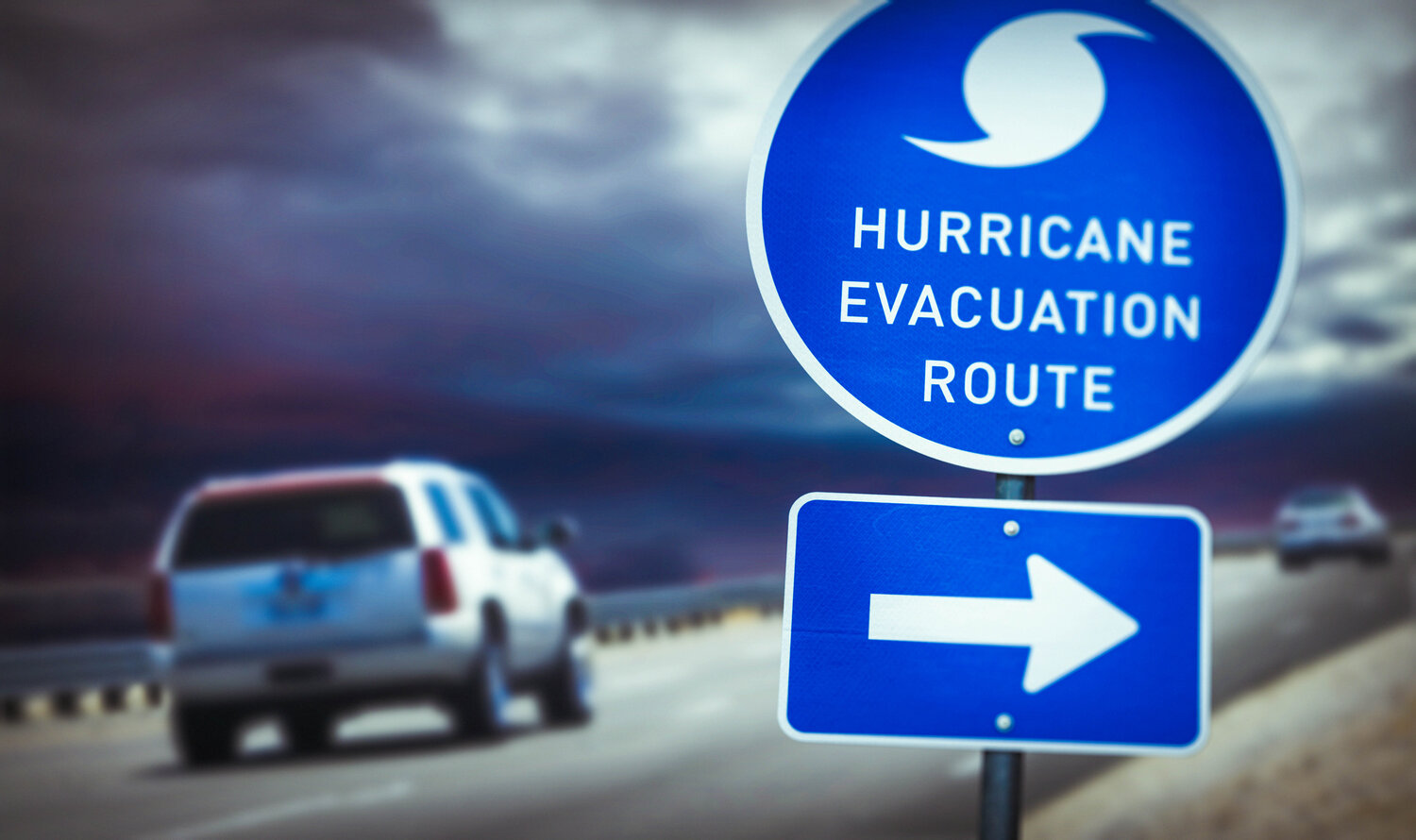
As another hurricane season unfolds, Baldwin County officials say lessons learned from Hurricane Sally have strengthened the county's preparedness — but they stress residents must do their part before a storm is on the horizon.
"Hurricane preparedness starts with having a plan," Baldwin County Emergency Management Agency Director Tom Tyler said.
Tyler said residents should decide now where they would go if an evacuation is ordered, emphasizing that the destination should be outside areas threatened by storm surge and freshwater flooding. Staying with friends or family is often the best option because hotels farther inland can fill quickly as evacuees from Alabama and the Florida Panhandle head north.
"If evacuation is required, plan now where you can go," Tyler said. "Run from water, hide from wind."
Residents who do not need to evacuate should have enough emergency supplies to last at least 72 hours, including one gallon of drinking water per person per day, shelf-stable food, prescription medications and batteries. Tyler also encouraged residents to fill bathtubs with water before landfall in case water service is interrupted and reminded them never to operate generators indoors or in garages because of the danger of carbon monoxide poisoning.
One of the biggest mistakes Tyler sees is waiting until the last minute.
He said many residents still lack emergency plans, fail to keep supplies on hand or wait too long to buy materials such as plywood or install hurricane shutters. He also urged residents to rely on trusted local weather sources instead of sensationalized forecasts.
Another potentially deadly mistake, Tyler said, is ignoring evacuation orders.
"If an evacuation order is issued, residents should never consider it as optional," he said.
Baldwin County is divided into four hurricane evacuation zones, and Tyler encouraged residents to know which zone they live in before a storm threatens. For the 2026 hurricane season, the county also has expanded shelter options by allowing residents to bring up to two household pets to a designated shelter of last resort. The Baldwin County Regional Area Transportation System will also shift from regular operations to transporting residents who need help reaching shelters.
Behind the scenes, Tyler said emergency preparations begin well before June 1, the official start of hurricane season. Emergency plans are regularly reviewed, updated and rehearsed with local, state and federal partners. When a tropical threat develops, the county coordinates closely with the National Weather Service in Mobile and activates its Emergency Operations Center to direct resources and coordinate response efforts among multiple agencies.
Since Hurricane Sally struck in 2020, Tyler said Baldwin County has become significantly better prepared.
"Baldwin County is clearly more prepared today than we were in 2020," he said.
He credited stronger utility systems, improvements to roads, bridges and stormwater infrastructure, expanded backup power at private businesses and stronger partnerships among government agencies and nonprofit organizations for increasing the county's resilience.
Tyler said that one of the county's biggest challenges heading into the 2026 hurricane season is its rapid population growth. Many new residents have never experienced a hurricane.
"Our approach is that information is the first step in preparation," Tyler said. "Understand the hazards of tropical weather and how individuals can mitigate risk to themselves, their families, their homes and their businesses."
The Baldwin County Highway Department also has expanded its storm preparations since Sally, according to Assistant County Engineer Mark Acreman.
"When we receive notice of severe weather, our Highway Department crews begin preparing immediately," Acreman said.
He said crews stage equipment, organize debris removal teams, position barricades and pre-position heavy equipment throughout the county before hurricanes arrive so roads can be cleared as soon as conditions are safe.
Before hurricane season begins each year, the department reviews safety procedures, equipment operations, documentation requirements and roadway priority lists to ensure crews are ready to respond quickly.
Acreman said roads near rivers, creeks, low-lying coastal areas and flat terrain remain especially vulnerable to flooding, and he urged motorists to avoid driving through flooded roads.
"Turn around, don't drown," he said.
Highway Department staff also work alongside EMA, utility providers and first responders inside the county's Emergency Operations Center during major weather events to coordinate road closures, emergency access and recovery efforts.
"Our crews are organized into fully equipped strike teams before landfall," Acreman said. "As soon as conditions are safe, they report to assigned locations and begin clearing roads for emergency access."
For large-scale debris removal after storms, Baldwin County maintains contracts with CrowderGulf and Thompson Engineering to support cleanup operations.
Since Hurricane Sally, Acreman said the County Commission has authorized more than three dozen major drainage improvement projects designed to reduce roadway flooding and improve resilience.
"One of the most important lessons from Hurricane Sally is that you can never let your guard down," Acreman said. "Every storm is different, and we approach each one by preparing for the worst to protect the public and get our roads open as quickly as possible."
While county officials say they believe Baldwin County is stronger than it was six years ago, they agree the most important preparation still happens at home. Residents who make emergency plans, understand evacuation zones and stay informed before a storm develops will be in the best position to stay safe when the next hurricane threatens the Gulf Coast.
Gabriella Chavez is a Report for America corps member who writes about growth and development in Baldwin County and our natural spaces for Gulf Coast Media. Your donation to match our RFA grant helps keep her writing stories like this one; please consider making a tax-deductible gift of any amount today by visiting https://tinyurl.com/yaf8yf5n.


