
The Alabama Public Library Service (APLS) will hold a public hearing on Oct. 21 in Montgomery on a proposed state code change that would ban transgender materials for minors.
If approved, the …
This item is available in full to subscribers.
Please log in to continue |
The Alabama Public Library Service (APLS) will hold a public hearing on Oct. 21 in Montgomery on a proposed state code change that would ban transgender materials for minors.
If approved, the new code will deem "any material that promotes, encourages or positively depicts transgender procedures, gender ideology or the concept of more than two biological genders" as inappropriate for children and minors under the age of 18. The code lists exemptions for books and materials on religion, history, biology and human anatomy.
The proposed code change was first introduced in May by board member Amy Minton, who said that the proposal was in response to legislation such as the "What is a Woman?" law signed by Gov. Kay Ivey earlier this year, as well as executive orders signed by President Donald Trump restricting the teaching and promotion of gender ideology.
Minton is also running for the District 10 seat in the Alabama Senate. She announced her candidacy in June.
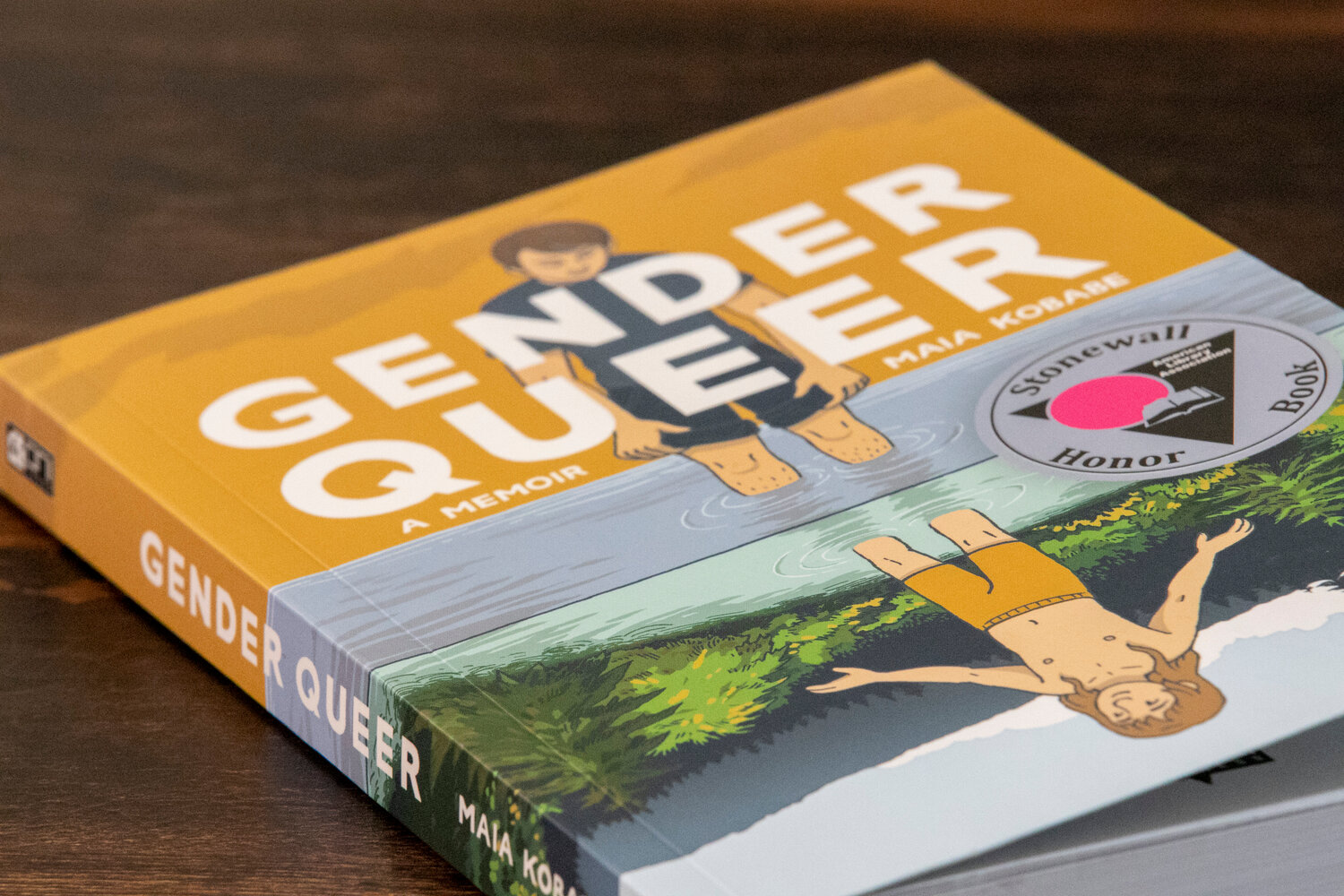
The changes are part of the ongoing culture wars in Alabama and across the United States over certain books and materials in libraries. Groups such as Clean Up Alabama and Moms for Liberty criticized libraries for possessing certain books located in the children's and teen sections of libraries, saying they are inappropriate for minors, with much of the challenged material including LGBTQIA+ characters and themes.
Meanwhile, groups such as Read Freely Alabama have defended the placement of these books, accusing groups such as Moms for Liberty of trying to censor free speech and remove important information within libraries simply because they disagree with it.
The APLS accepted public comments through Oct. 14, either mailed or hand-delivered. Last year when the organization held a public comment period considering code and policy changes, more than 6,000 comments were received, with many both supporting and opposing proposed changes.


