
The Alabama Department of Conservation and Natural Resources' Marine Resources Division announced that the 2025 oyster harvest season on public water bottoms closed at 2 p.m. Tuesday, Dec. 23, under …
This item is available in full to subscribers.
Please log in to continue |
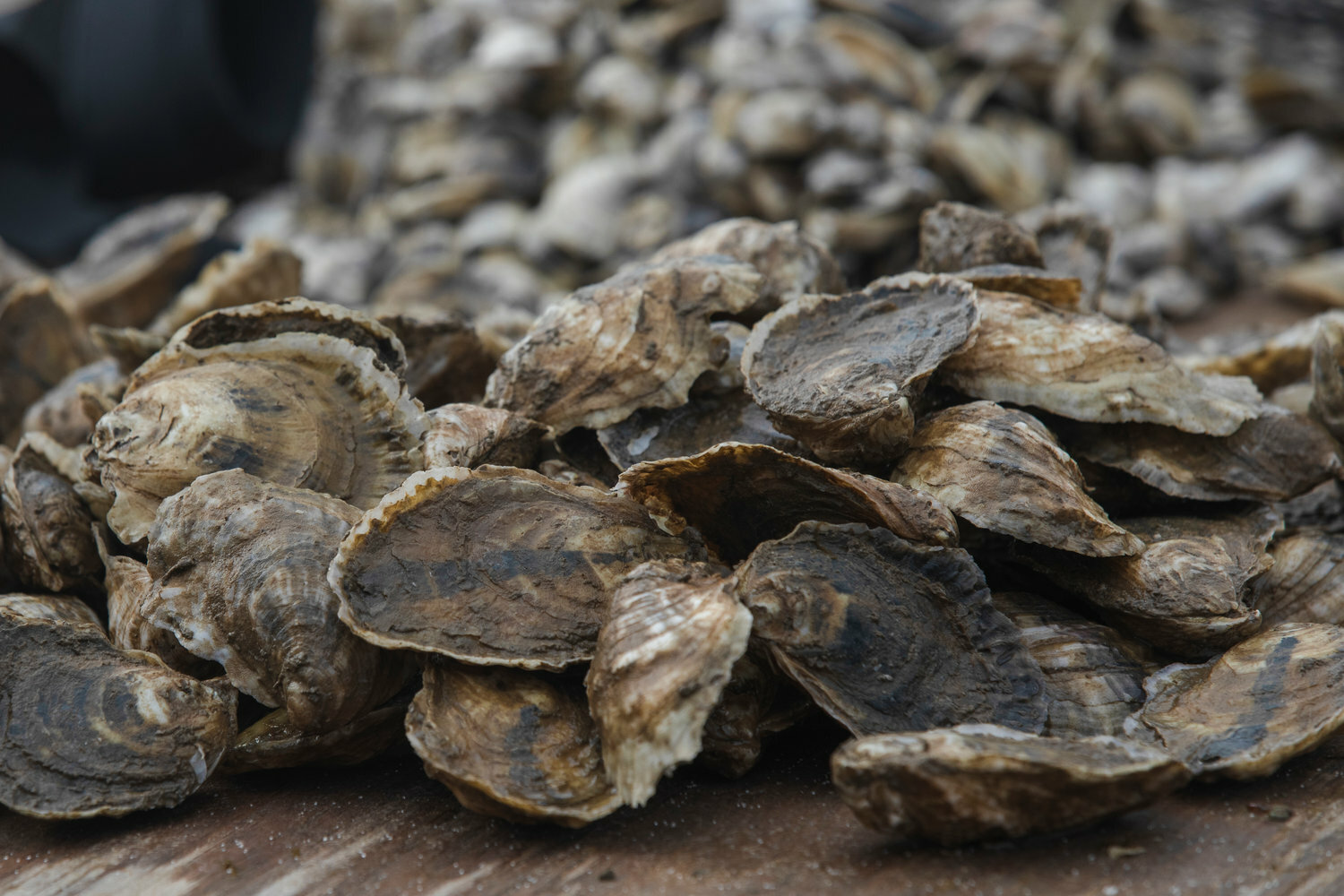
The Alabama Department of Conservation and Natural Resources' Marine Resources Division announced that the 2025 oyster harvest season on public water bottoms closed at 2 p.m. Tuesday, Dec. 23, under state law governing commercial shellfish fisheries.
Alabama's public oyster reefs opened for harvest Oct. 6 and were open for a total of 54 days this year. During that period, approximately 5,000 sacks of oysters were harvested, totaling roughly 425,000 pounds with an estimated dockside value of more than $170,000, according to ADCNR.
By comparison, the 2024 oyster season, which ran through Dec. 31, produced about 25,000 sacks of oysters — roughly 2.1 million pounds — at an approximate dockside value of $1.5 million. The vast difference in harvest totals reflects ongoing challenges for oyster populations along Alabama's coast.
"Surveys of oyster reefs conducted prior to the 2025 season opening indicated the abundance of harvestable oysters was much less compared to last year," said Kevin Anson, Marine Resources Division director. "The data from these surveys and water quality monitoring stations near the oyster reefs suggest Alabama's oyster populations have faced multiple stressors in recent years which have led to a population decline."
Anson said extended periods of low salinity in spring, immediately after oyster larvae settle, and episodes of higher-than-normal summer water temperatures that contribute to low dissolved oxygen have negatively affected young oysters, reducing their chances of reaching harvestable size. Because it takes a minimum of about 18 months for oysters to grow large enough to harvest, fewer adult oysters are expected on reefs in 2026.
Oyster populations along Alabama's coast have been in decline for decades due to a combination of environmental stressors, habitat changes and past harvest practices, according to state restoration plans. Oysters are ecologically important, filtering water and providing habitat for other species, but have struggled to regain historic abundance.
MRD staff will continue assessing oyster larval settlement patterns and seasonal water quality dynamics within Mobile Bay and Mississippi Sound to guide reef restoration efforts. These efforts are funded in part through a $10 million Natural Resources Damage Assessment (NRDA) grant tied to the Deepwater Horizon settlement, aimed at restoring and maintaining oyster reefs for future generations.
Gabriella Chavez is a Report for America corps member who writes about growth and development in Baldwin County and our natural spaces for Gulf Coast Media. Your donation to match our RFA grant helps keep her writing stories like this one; please consider making a tax-deductible gift of any amount today by visiting https://tinyurl.com/yaf8yf5n.


