
Fairhope City Council approved various amendments to its zoning ordinance during its meeting on Monday, July 27, although there is still work to be done.
For over a year, the city has …
This item is available in full to subscribers.
Please log in to continue |
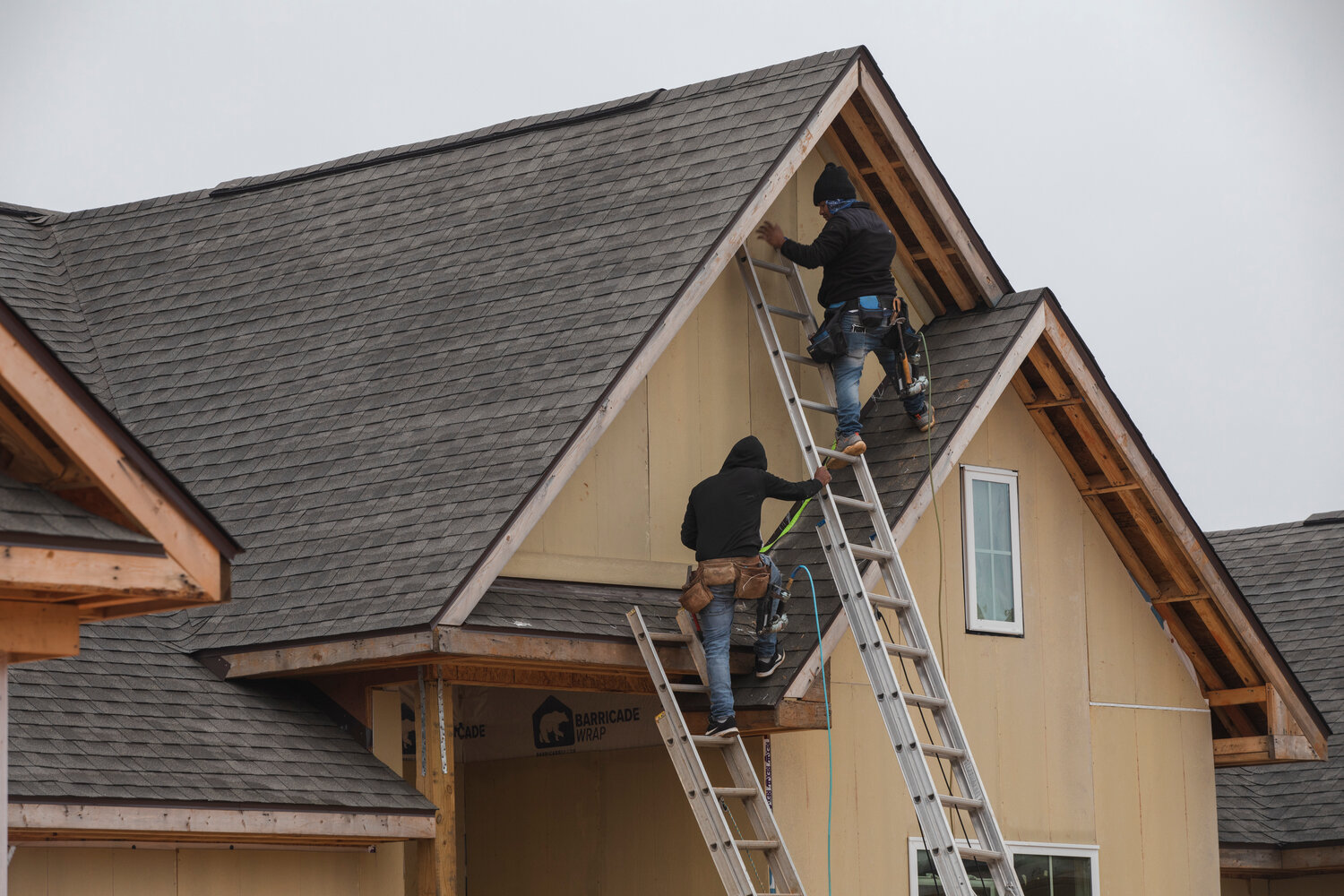
Fairhope City Council approved various amendments to its zoning ordinance during its meeting on Monday, July 27, although there is still work to be done.
For over a year, the city has implemented a moratorium pausing new applications on multiple-occupancy project proposals within city limits as officials worked on changes to the city's zoning ordinance, which has faced several revisions and much feedback from residents and developers. The moratorium is currently set to expire on Aug. 17, with city council having extended it by one month in July.
The new zoning amendments, split across nine different ordinances, rewrite much of the city's zoning ordinance, tightening regulations on developments and placing new restrictions on what types of housing can be built in certain areas. Some of the ordinances passed with no debate while others faced concerns from city officials.
PASSED WITH EASE
Two ordinances for a general cleanup and definitions were approved with virtually no comments or debate.
The general cleanup ordinance updates grammar, formatting and minor inconsistencies throughout the preexisting zoning ordinance. This specific ordinance does not actually create any new regulations but rather simply makes it easier to read and administer.
The definitions ordinance updates several existing definitions and adds certain new definitions to better reflect the new zoning amendments under adoption. It also creates two new recreation districts covering the city's outdoor areas:
Council passed an ordinance on townhouses that implements new rules on townhouse developments within the city, which include:
Furthermore, council passed an ordinance amending and replacing a section related to site plan reviews, which adds clarification on when projects would require a site plan review and establishes more detailed review procedures.
Council unanimously passed an ordinance that deletes village district regulations from the city's preexisting zoning ordinance. According to a staff memo, the option, despite being included in the zoning ordinance for around 20 years, has not been used since it was first adopted, and future zoning and development proposals will instead be reviewed under other applicable zoning districts and standards.
Additionally, council approved an ordinance on multi-family/apartment developments, introducing new standards for apartment developments:
The ordinance was approved 4-1. Councilwoman Andrea Faust Booth was the sole no vote.
PASSED WITH DEBATE
Despite some concerns, city council approved an ordinance adding a new mixed-use buildings section, consolidating all regulations for these types of developments under one section.
The ordinance also establishes requirements for these types of projects both within and outside of the central business district (CBD), Fairhope's commercial hub covering the downtown area:
This ordinance passed as a work in progress of sorts. Council discussed concerns over the density requirements and how it could affect property options, hoping to find a balance between protecting Fairhope's charm while also allowing for building variety. However, councilmembers such as Jack Burrell and Joshua Gammon said it was imperative to pass something now rather than later.
Ultimately, it was approved with council promising to go back and make additional revisions. Councilman Jimmy Conyers said he hopes to get the "wheels in motion" within 30 days. However, other city officials indicated that it could be two to three months before further revisions can officially be adopted. Any new amendments would have to go through the planning commission before they can be presented to city council for approval.
The city previously had generally flexible zoning ordinances, allowing several subdivisions in the area to be built, but as part of the zoning changes, city council passed a new ordinance intended to crack down on planned unit developments (PUDs), limiting them to a minimum of three acres and no more than three units per acre gross.
Councilman Jay Robinson said while he understands why restrictions on PUDs should be in place, he was concerned that the restrictions would create a "cookie cutter" situation when "something better could have been done," noting that ultimately, every PUD comes before council for them to deny if they feel it doesn't meet the city's vision.
"The purpose of the PUD in general is to allow creativity for areas that otherwise could do something that fits with what we, as a council or a city, envision is appropriate for a piece of property," Robinson said. "I think by changing it and limiting that particular development or type of development kind of defeats the purpose in some ways."
Burrell said while he didn't necessarily disagree with Robinson, he countered that because of the city's loose rules surrounding PUDs, every single PUD that goes through the planning commission will essentially be recommended for approval by the time it comes to city council, as there are no preexisting conditions they have to meet.
Faust Booth said she felt not everyone was confident in the ordinance, but Gammon said he felt the opposite way.
"I've said it before, I think that we need to listen to the constituents," Gammon said. "We've heard it all the time about the density concerns. This is a great way for us to vocally put pen to paper and say, 'We understand you, we hear you, this is the way to do it.'"
Coyners said he wasn't "100% on this one" but he did "see the benefit of having something in place," saying if it doesn't work, it can always be addressed again later.
The ordinances for the new PUD restrictions passed 3-2, with Robinson and Faust Booth voting no.
Council approved amendments to the city's permitted-use tables updating what types of developments are allowed in each zoning district. The ordinance removes single-family homes, duplexes and townhouses from the permitted-use tables in zoning districts B-1 and B-2 and townhouses in B-4.
Overlapping with the CBD, these zones cover much of downtown Fairhope. Zone B-1, Local Shopping District, includes local retail and convenience shopping for nearby neighborhoods, B-2 is the general business district that allows for activities that cause noise and heavy traffic, and B-4, the business and professional district, are areas intended for professional offices, commercial services and other related establishments.
The ordinance also introduces impervious surface caps for every single-family residential district, ranging between 30% to 45% of the lot depending on the district, limiting how much a developed area of a lot, including housing and accessory structures, can include impervious areas that do not allow the free passage of water through its materials such as sidewalks, driveways, patios, and parking areas.
Simmons initially recommended that council not pass the ordinance just yet due to concerns that the impervious surface limits could be too restrictive, but it was instead decided to pass the ordinance with a delayed effective date of Jan. 1, 2027, for the impervious surface limits, allowing them time to develop further revisions as needed.


