
Wednesday, Jan. 29, is the start of the Lunar New Year.
But what does that mean exactly?
Lunar New Year, a time of family reunions and cultural traditions, marks the arrival of spring and …
This item is available in full to subscribers.
Please log in to continue |
Wednesday, Jan. 29, is the start of the Lunar New Year.
But what does that mean exactly?
Lunar New Year, a time of family reunions and cultural traditions, marks the arrival of spring and the beginning of a new year on the lunisolar calendar. Celebrated across China, South Korea, Vietnam and regions with significant Chinese communities, this festive season is rich in history and symbolism. This year, the celebration ushers in the Year of the Wood Snake, a zodiac sign steeped in meaning and tradition.
The 2025 Year of the Snake combines the snake's qualities with the wood element, which represents growth, vitality and flexibility. According to Chinese astrology, snakes are symbolic of charm, intelligence and creativity, but also secrecy and cunning. The Smithsonian National Museum of Asian Art highlights that Lunar New Year traditions vary, but the holiday is universally recognized as a time for joy, feasting and togetherness.
While not as widely celebrated in Baldwin County, Gov. Kathy Hochul of New York signed legislation in September 2023 declaring Asian Lunar New Year an official public school holiday. As a result, all public schools in New York will be closed Wednesday in observance of the celebration, marking a significant milestone in recognizing the cultural contributions of Asian Americans. Other states that recognize Lunar New Year as legislative holiday include California, Boston and Washington.
In Chinese astrology, the snake is one of 12 zodiac signs, each paired annually with one of the five elements: gold, wood, water, fire and earth. These elements interact in cycles believed to maintain harmony and balance in the universe. For example, wood produces fire, fire generates earth, earth produces metal, metal creates water and water nourishes wood.
The Year of the Wood Snake last occurred in 1965. This year, the snake's connection to the wood element lends it the name "Green Snake." According to an article by Victor Sanjinez and Joe Lo in the South China Morning Post website, the snake holds varied symbolism in Chinese culture. While Western traditions often associate snakes with fear and evil, in China they are linked to spirituality, procreation and good fortune.
Known as the Spring Festival in China, Lunar New Year celebrations span 15 days, beginning with a reunion dinner on Lunar New Year’s Eve and ending with the Lantern Festival. Homes are adorned with red decorations symbolizing good luck, and symbolic foods such as a whole fish, representing abundance, are served. In Vietnam, the Tet holiday includes cleaning homes to sweep away bad luck, while South Korea’s Seollal celebrations feature ancestor worship and traditional games.
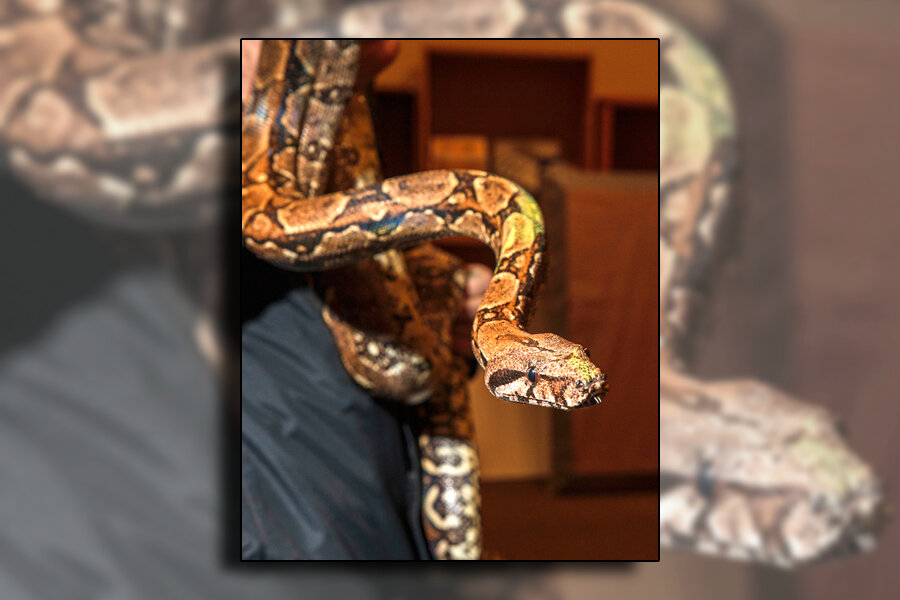
In the U.S., celebrations have evolved with the blending of cultures. While not traditionally marked in Alabama, the Alabama Gulf Coast Zoo offers a unique way to connect with the Year of the Snake. Visitors can learn about these fascinating reptiles, including Magic, a yellow anaconda, and other threatened species like the Woma python.
Sonda Stokes, Education Programs Manager at the Alabama Gulf Coast Zoo, shared intriguing insights about snakes:
The Alabama Gulf Coast Zoo invites visitors to explore its snake exhibits and learn about the vital role these creatures play in ecosystems. From their evolutionary adaptations to their contributions to science, snakes remain a symbol of transformation and resilience — fitting themes for the Year of the Snake.
Buy your tickets and plan your trip by visiting www.alabamagulfcoastzoo.com.
Ruth Mayo contributed to this article.


