
You don’t need to travel to Europe or even Napa Valley or New Orleans to taste great wine. Robin Riddell Jones knows wine shops can be intimidating. That’s why she designed Isla Wine to make it …
This item is available in full to subscribers.
Please log in to continue |


You don’t need to travel to Europe or even Napa Valley or New Orleans to taste great wine. Robin Riddell Jones knows wine shops can be intimidating. That’s why she designed Isla Wine to make it feel like you’re visiting someone’s home. Hers, probably.
Kayla Green, Taste Magazine: You’ve been in the wine business for 26 years. How did you end up with this shop called Isla Wine in Gulf Shores?
Robin Riddell Jones, Isla Wine: I grew up in Mississippi and did a year abroad in England when I was in college, and I realized how much I didn’t know about my own country.
There was one instance where this woman was talking to me, we’re having tea, and she said, “Oh, Robin, I’m sure you’ve seen the Grand Canyon. Oh, and I’m sure you’ve seen” this and that. And I just looked at her, and I said, “Well, the U.S. is really big.” Mississippi’s the size of England. I was trying to make myself sound better, but I got home and thought, I’ve got to go somewhere.
So, immediately after graduating from college, I moved to Seattle. I worked as a manager of a Pottery Barn downtown, and I quickly realized I hated corporate life. Someone mentioned I could sell wine for a living, and it was like all the bells rang. I was like, “Wait, what? I’m sorry. You can sell wine for a living?”
I found this teeny, little distributor called Cavattappi Distribuzione and all they did was sell old world wines. I got an interview, and my interview question from Peter Dow was, “Robin, is Chianti a grape or is it a place?” And I had no idea. I guessed, “It’s a place.” He said, “Good guess. You got the job.” He sent me home with Kermit Lynch’s book, “The Adventures on the Wine Route” and said, “Read this over the weekend, you start Monday.” I felt like I got thrown into the lion’s den of having to learn all the things that are the hardest parts about wine with my first job, and it was such a gift in the long run.
Taste: And that gave you a leg up on everyone, knowing all those nuances about old world wines. You got to travel a lot and helped educate your distributors, who in turn could better educate their buyers. Spending a lot of time at restaurants and traveling to Europe? Not a bad gig. How did this journey switch trajectories?
RRJ: When I was in Nashville, and after having baby No. 3, I wasn’t traveling as much, so I opened a wine club called Tavola. It was basically a wine club delivery service. Then we moved here to Gulf Shores, and I realized quickly there wasn’t anywhere to buy good wine, and my husband and I were thirsty. So, I said, “OK, honey, I think I’m gonna have to open a wine shop with a wine club, and I can’t open a shop without wanting to feed everyone, too. So, we have to have a wine bar component. too.”
Taste: You’ve said you’re “pure Mississippian” but that your dad married a Lebanese woman when you were in high school, which had an influence on your philosophy around hospitality. And then in your travels, you learned about wine but also experiential culture, where I think of sitting at a table with a glass of wine and talking to someone, and that’s part of the meal, part of the experience. I see a thread between that in the Deep South, where people are gathering and cooking, and places like Italy and in the Middle East. How does that show up in Isla?
RRJ: I love to cook, and I have so much of that in my family, from the Mississippi side to my Lebanese side. I wanted to showcase all flavors that come from the South and abroad, which included the feta and olive spreads with an homage to the Mediterranean and to the butterbeans and roasted tomato dishes that helm from the South. I often tell people, we just serve the food that we want to eat. Part of the consumption is the food, and the other part is to be with one another.
You know, sitting at the table and soaking up one another, that part is also just as rich and satisfying. When it comes to wine, I don’t buy things that I think other people “should” drink. I buy the wines I want to drink, and those are usually way more interesting. I taste wines all the time and simply buy the ones I like. It’s really that simple.
I created this space that made me feel like home, and I want folks to feel comfortable when they come in. This is what I love about being able to have wines by the glass. You come in and you say, “I like Chardonnay. Do you have a Chardonnay?” I may not have one by the glass, but I have something similar that I’d really love for you to try. And almost always, they love trying new things and don’t miss the wine they thought they only loved. So, having wines open by the glass is important to me, and I try really hard to just encourage people to taste all of them.
Taste: Wine shops can be intimidating, and I think that’s why a lot of people ask for those common, trendy grocery-store brands.
RRJ: I think people want to know about wine, even though it seems intimidating. Most people get excited to know a little bit more. That’s why I host tasting classes and do the monthly wine club, and you can always get a flight of three of any of the wines we do by the glass. Anytime I can arm you with more information, I try to do that.
Taste: How many people come in and say, “I don’t know anything,” or “I know I like red more than white. Will you help me pick something out?”
RRJ: Usually, everybody. I think my staff is really great about trying to hone in on what you like. We’ll say, “Tell me what you drink, and then I can steer you,” or “You like cabernet? What do you like about it? Where is it from? Where is it from?” Most people don’t even know. “Tell me a label that you know.” And some people don’t even know that. “Do you like it heavy in your mouth? Do you like it light? Do you like it medium?” I think having that conversation is part of the experience and making sure that people understand they can seriously say anything, and I’m not going to judge them for it.
I don’t have anything by the glass that is “normal.” Which helps when people look at my shelves and don’t recognize anything. I can say, “Well, you just tried a really cool Vinho Verde and now you know what it is.” And you liked it, or you didn’t like it. If you didn’t like it, there’s something over here that’s a little different, etc.
TREND: DRINK HEAVY REDS IN THE FALL.
Robin says do this instead: Consider our Gulf Coast climate. In October, it’s still going to be in the 80s. Hopefully, you’re still spending time outside, maybe even eating al fresco. Are you really wanting your red wine to get hot outside?
Pro tip: Chilled reds are a great way to transition between seasons. Lower-alcohol wines make for easier casual drinking before it’s cold enough for a big red.
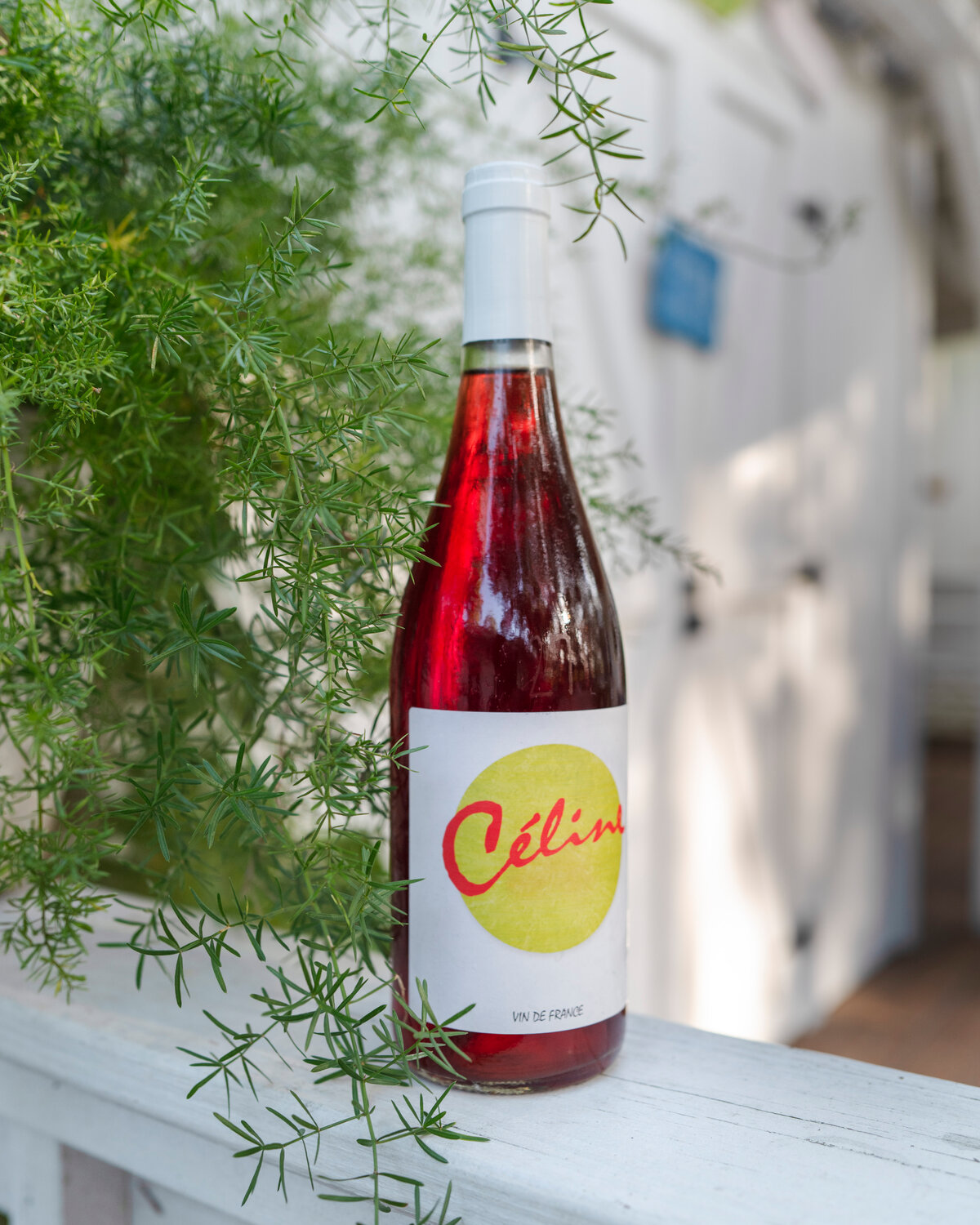
The wine: Yves Duport “Celine” from Bugey, France. Almost equal parts red and white wine, uniquely co-fermented together. Serve chilled. Is it rosé? Is it red? I don’t know. Who cares? It’s absolutely delicious. And only 11% alcohol. Organic and Biodynamic farming.
TREND: PULL YOUR BEST WINES OUT FOR THANKSGIVING.
Robin says do this instead: You’re generally sharing bottles between multiple people over a family table. Focus on wines that are approachable to everyone. Plus, holiday tables already have so many competing flavors. You’re not going to find one bottle that pairs perfectly with turkey, dressing and cranberry sauce. Those really nice wines tend to be bigger, and they’ll beat up any food anyway.
 Pro tip: Gamay/Beaujolais is a reliable no-brainer. Pinot noir from Oregon can also be another great option if you want something with a bit more body.
The wine: Domaine Jean-Michel Dupré Beaujolais Villages — 100% Gamay. Sourced from historic soils of the Beaujolais region of pink granite. Old vines (up to a century), tart, cherry-forward and juicy. Serve slightly chilled. To open, go straight into the red wax cap; don’t take it off. It opens cleanly with the cork. Organic farming.
TREND: FULLER-BODIED REDS FOR THE COOLER MONTHS SHOULD BE HIGH-END AND WELL-KNOWN.
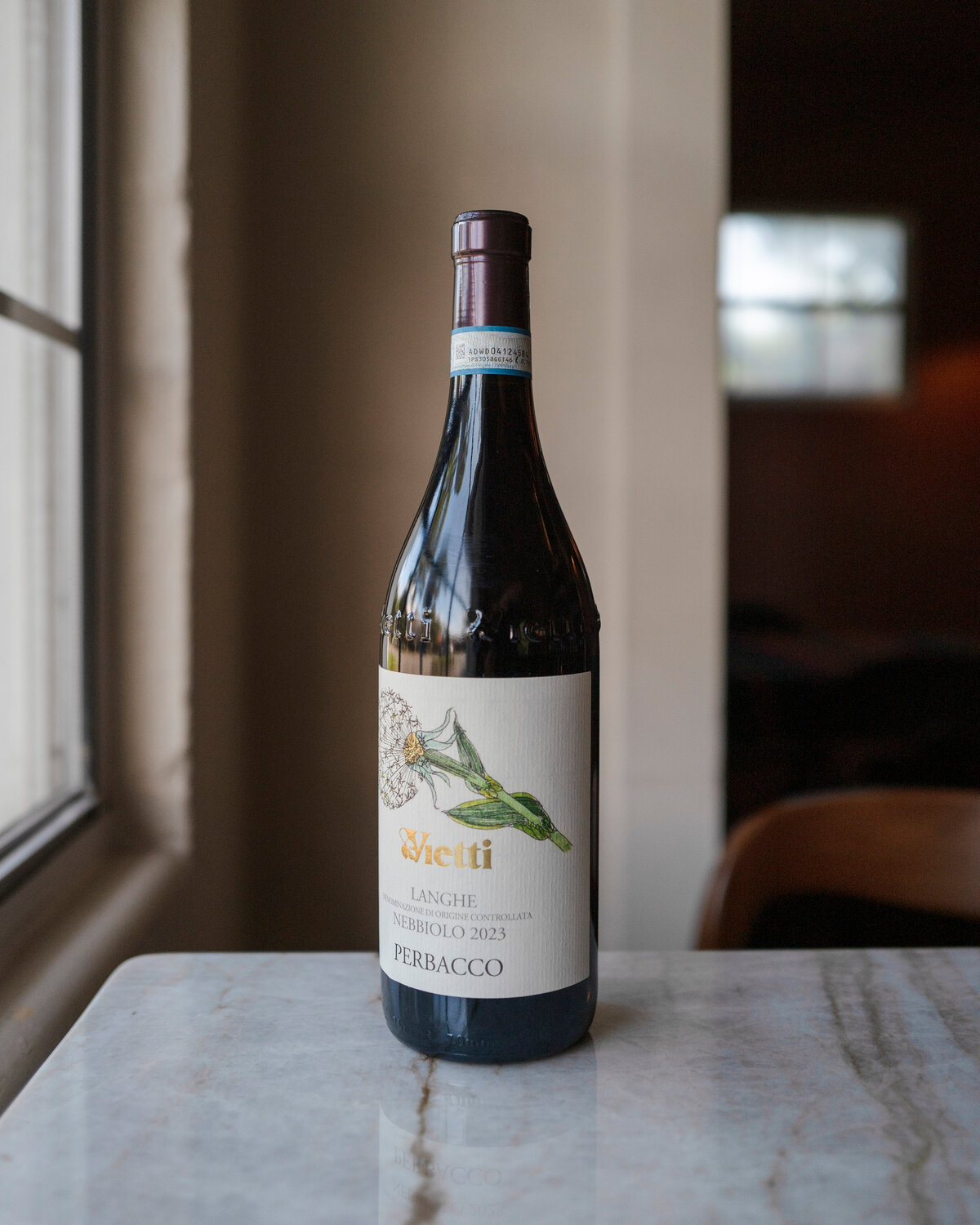
Robin says do this instead: Opt for a Nebbiolo from the Langhe region instead of a pricier large Napa cabernet. Piedmont region is known for beautiful Barolo’s, but you can get a Nebbiolo from the Langhe region, affectionately called “Baby Barolo” ($45 vs. $90) with similar characteristics, and it’s more approachable to drink now rather than needing long cellaring.
Pro tip: It’s the holidays. If you ARE going to buy that nice bottle of wine, no one knows what day of the week it is. No one cares. Share a nice bottle with family or friends on a Tuesday or Wednesday for no reason. That is all.
The wine: Vietti Nebbiolo Perbacco — sourced from declassified fruit of the Barolo and Barbaresco areas, so half the price. Bright red fruit, spice, dried rose petals, this wine aged in oak for 18-20 months to give it some nice structure.
TREND: SPLURGE ON PREMIUM CHAMPAGNE FOR NEW YEAR’S OR SIMPLY GET THE CHEAPEST BUBBLY.
Robin says do this instead: You can find plenty of good-quality bubbly without spending $100 on a bottle, especially if you’re at a party and will only get a few sips. It doesn’t have to be specific to Champagne, a region. On the other hand, why would you want to ring in the new year with the bitter taste of Cooks and a headache?
 Pro tip: Drink bubbly year-round. Why save it for special occasions? Bubbly can be enjoyed through an entire meal.
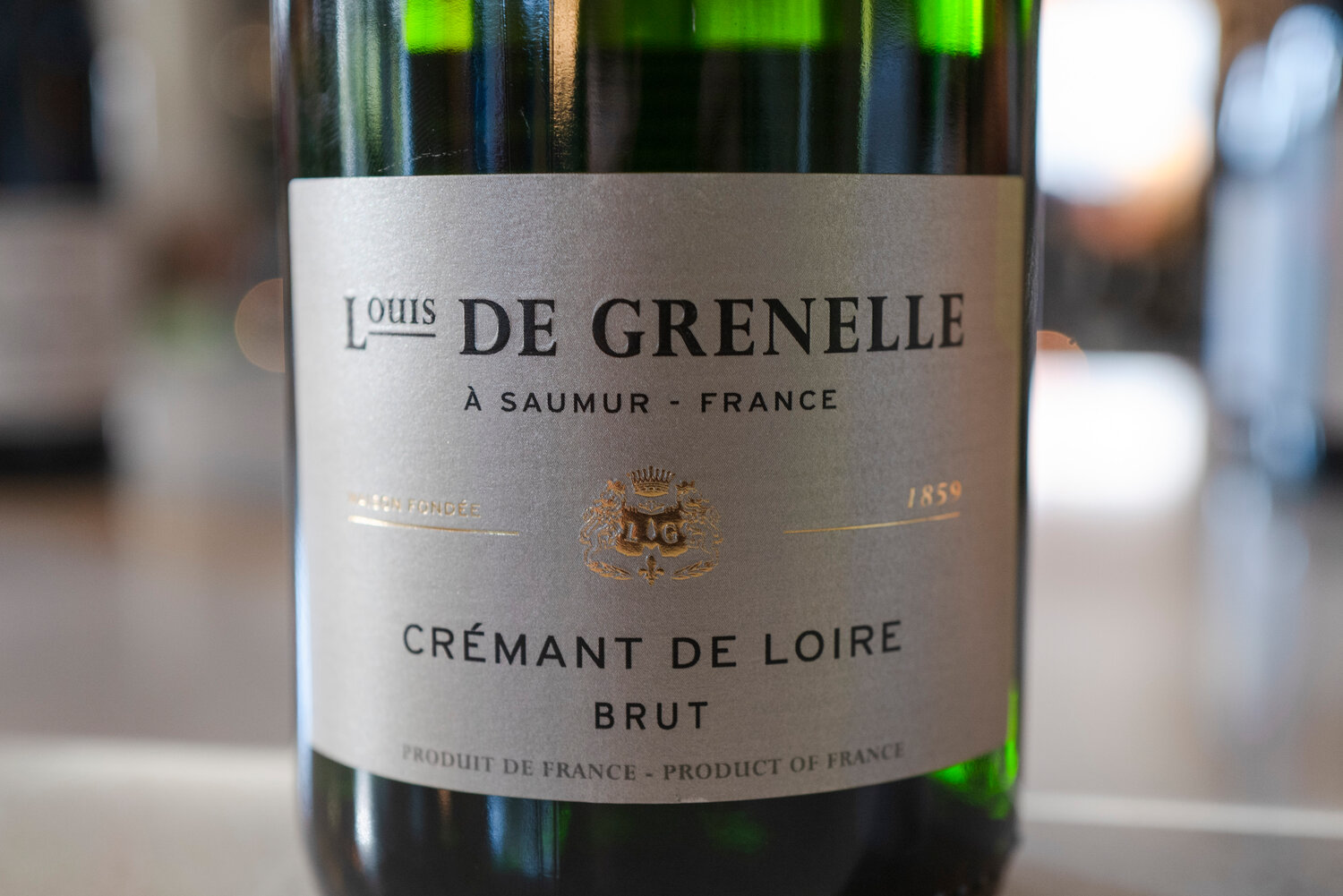
The wine: Louis de Grenelle Crémant de Loire, France. I don’t think I’ve had a wine from them I didn’t love. This one is made mostly of Chenin Blanc, and it’s simply delightful. (I also always carry their rosé as it is one of my favorites.)
To read more from Taste magazine, go to www.gulfcoastmedia.com/taste.


