
Short-term rental owners have spoken out about a potential ban on the type of contract in the Lake Forest subdivision in Daphne. As previously reported by GCM, Lake Forest has been considering a ban …
This item is available in full to subscribers.
Please log in to continue |
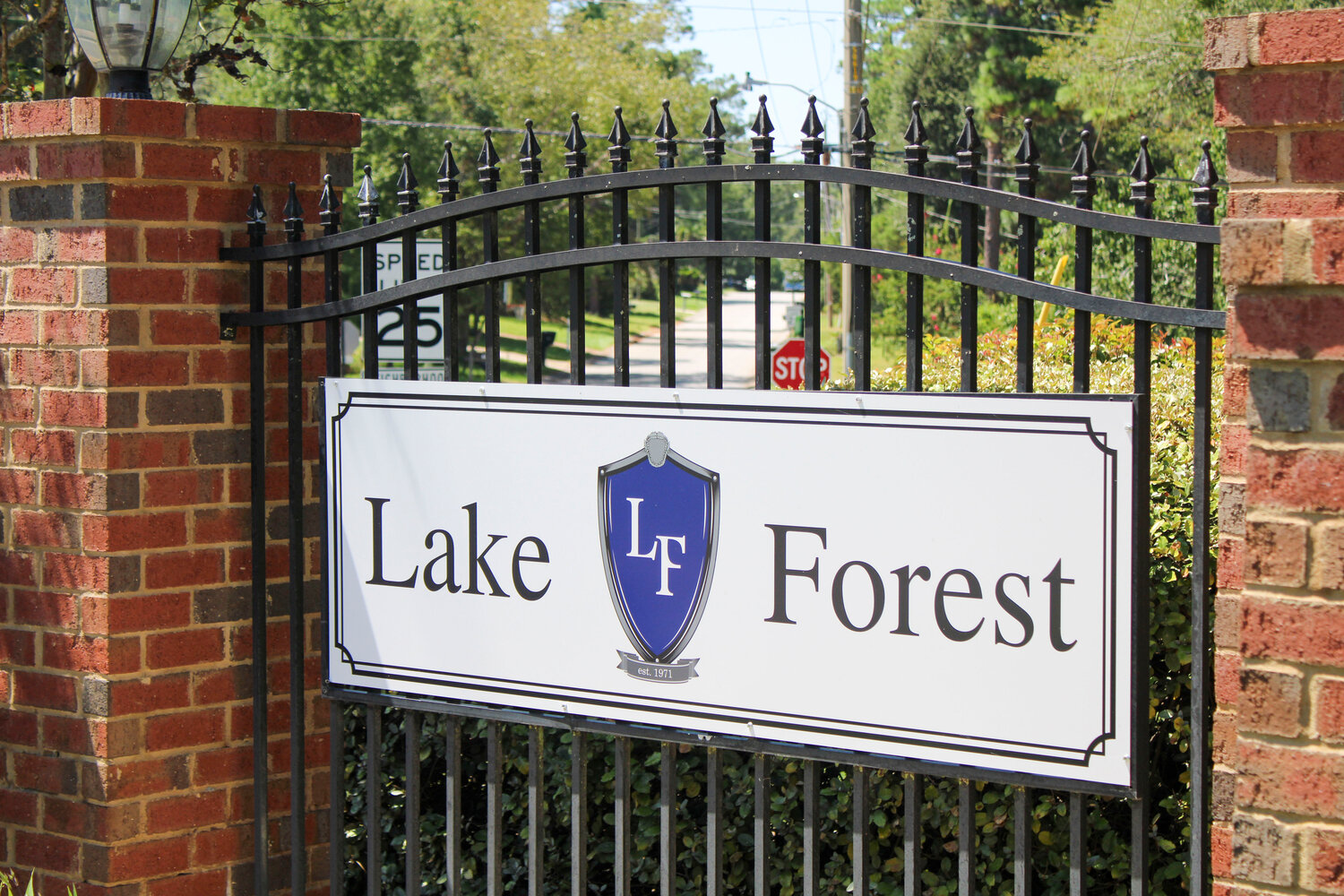
Short-term rental owners have spoken out about a potential ban on the type of contract in the Lake Forest subdivision in Daphne.
As previously reported by GCM, Lake Forest has been considering a ban on short-term rentals, with Lake Forest Property Owners Association President Byrian Ramsey citing issues such as safety concerns and their impact on property values. A vote on the matter was initially scheduled for Aug. 28 but was delayed due feedback from community members.
"Many residents have voiced concerns that STRs undermine the stable, residential character of Lake Forest," Ramsey previously told GCM. "Families choose this community because it offers a sense of neighborliness and consistency, and they fear that STRs bring a rotating door of guests who have no long-term commitment to our neighborhood."
Several short-term rental owners within Lake Forest said they have been left in the dark about a potential amendment to ban short-term rentals in the area, with some owners also stating they were not notified of a proposed amendment until the last minute.
One of them is MacLain Rigdon, a single father who has owned a short-term rental in Lake Forest for almost two years, also living adjacent to another short-term rental. He said by the time he learned about the proposal to ban short-term rentals within Lake Forest, the amendment was already written up and ready to be voted upon.
Rigdon said claims that short-term rentals are “drug houses” and house “squatters” are untrue and criticized the Lake Forest Property Owners Association for their characterization of short-term rentals.
“Lake Forest has 3,000 houses, and short-term rentals make up less than half a percent of the houses in the neighborhood, but among us, the people who even care about short-term rentals are in the minority by far, and so if everyone gets all their information about what they know about the short-term rentals in Lake Forest by [Ramsey], they’re all going to think that we’re all terrible,” Rigdon said.
Lake Forest officials have previously cited crime as a issue among short-term rentals, with Ramsey saying that safety and security has been a frequently cited concern. However, residents against the ban say crime around these houses is exaggerated.
In a letter obtained by GCM, dated Aug. 15, Daphne Police Chief Brian Gulsby responded to a Freedom of Information Act request filed by a local resident, saying he obtained a list of licensed short-term rentals from the city revenue department, which was then used to cross reference through the police department’s call history.
In the letter, only six calls in the last 12 months were listed, which involved a mailbox being struck by a vehicle, a lost cat being reported, a complaint about solicitors, a missing trash can being reported, a short-term rental owner reporting “concerns about a potential renter being angry that she rented a property in Spanish Fort to someone other than them,” and a woman who reported the smell of marijuana in the area while walking her dog.
According to Gulsby, none of these calls for service generated an incident/offense report.
Jason Robinson, who has been a short-term rental owner in the area for two years, said he thinks there is a “fear factor” that has been “overplayed,” pointing out that rental owners themselves have to meet certain standards in order to even make any profit.
“If you have a three or 3.5 star rating on any of these short-term rental sites, you’re not going to make any money, you’re not going to book anything, so you kind of have to police it yourself,” Robinson said. “If you don’t provide a certain standard, you just don’t make any money and you don’t have anything.”
Robinson also said he and other short-term rental owners in Lake Forest have pushed subdivision officials to let them create a committee that can help pick out “bad apples” and address genuine concerns surrounding short-term rentals within the community.
“A lot of these people believe that these people are just driving down I-10, they get tired and they immediately pull in and book a short-term rental, “ said David Gardner, who, along with his wife, Cynthia, have recently acquired a short-term rental in Lake Forest. “They don’t realize that there’s a vetting process, that it doesn’t happen that quickly. People have to have profiles on AirBnB, Vrbo, you know, and the same with the homes and homeowners.”
David and Cynthia Gardner have previously owned rentals in other states and noted that short-term rentals are equipped with cameras, motion detectors and smoke detectors that go off when a certain item that is not allowed is brought inside. Cynthia said they have had no issues with tenants, and even when a tenant breaks the rules, they have complied when asked to vacate the property.
Short-term rentals owners accused the Lake Forest Property Owners Association of not communicating clearly with them. Christopher Lundy has been an AirBnB owner for about four months, using his own home as a rental and describing it as a place geared toward wellness and meditation where people can come looking for a peaceful getaway from their busy life.
Lundy said he emailed Lake Forest officials with a series of questions regarding short-term rentals in Lake Forest. According to Lundy, Ramsey replied saying they would follow up as a board to answer all the questions, but he has yet to receive a response.
“We just want specific dates and times because when you’re stating that people are calling multiple times a day for the past months, years, in regards to short-term rentals, and you’re basing this blanket ban off of that information, we as a community should be provided with that information because we’re paying members to this HOA,” Lundy said.
Owners like Lundy also warned about the consequences a short-term rental ban could bring to the Lake Forest community.
“They’re going to destroy people’s lives if they do that,” Lundy said. “I know a lot of friends personally who have made big investments. I mean, this is my home. I don’t have as big of an investment as other people, but other people are going to be in ruin if this happens, and I think that’s something to consider.”
After a meeting discussing the proposal, Rigdon sent his own email to members of the Lake Forest Property Owners Association, saying there is no objective evidence to support claims of crime or a police presence among short-term rentals in the community, dismissing those claims as false and libelous. According to Rigdon, he never received a response.
“If they actually were to ban short-term rentals, it would harm a lot of people and it doesn’t actually help anyone,” Rigdon said. “People who don’t like it, if that’s all they do is they don’t like it, it’s still not hurting them that they’re there. The financial damage that it does to us as the owners is quantifiable, but there’s no quantifiable way that it would actually help anyone because the police presence would remain the same, because right now it’s zero.”
Ramsey told GCM that they are still working on a new amendment and reviewing data but did not respond when asked to comment about their specific concerns surrounding short-term rentals. As of press deadline, no date for a vote on the matter has been scheduled or determined.
When previously speaking to GCM, Ramsey said the proposed change is not anti-renter, saying the board recognizes that responsible landlords can provide well-maintained homes to tenants who are an asset to the neighborhood. He previously said the new policy will encourage longer-term rentals, with the policy redefining long-term rentals as six months or longer, as opposed to 12 months under previous policy.


