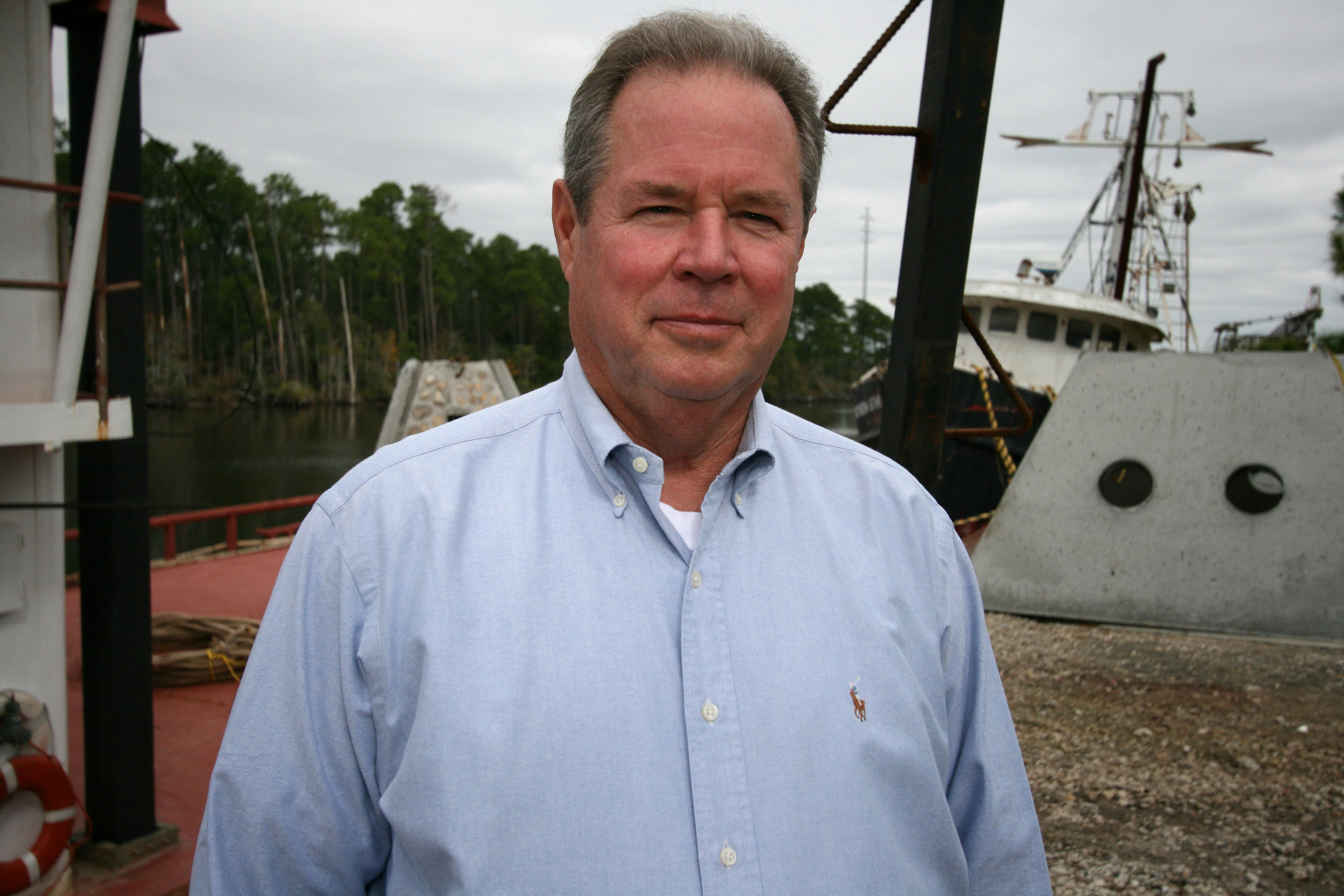
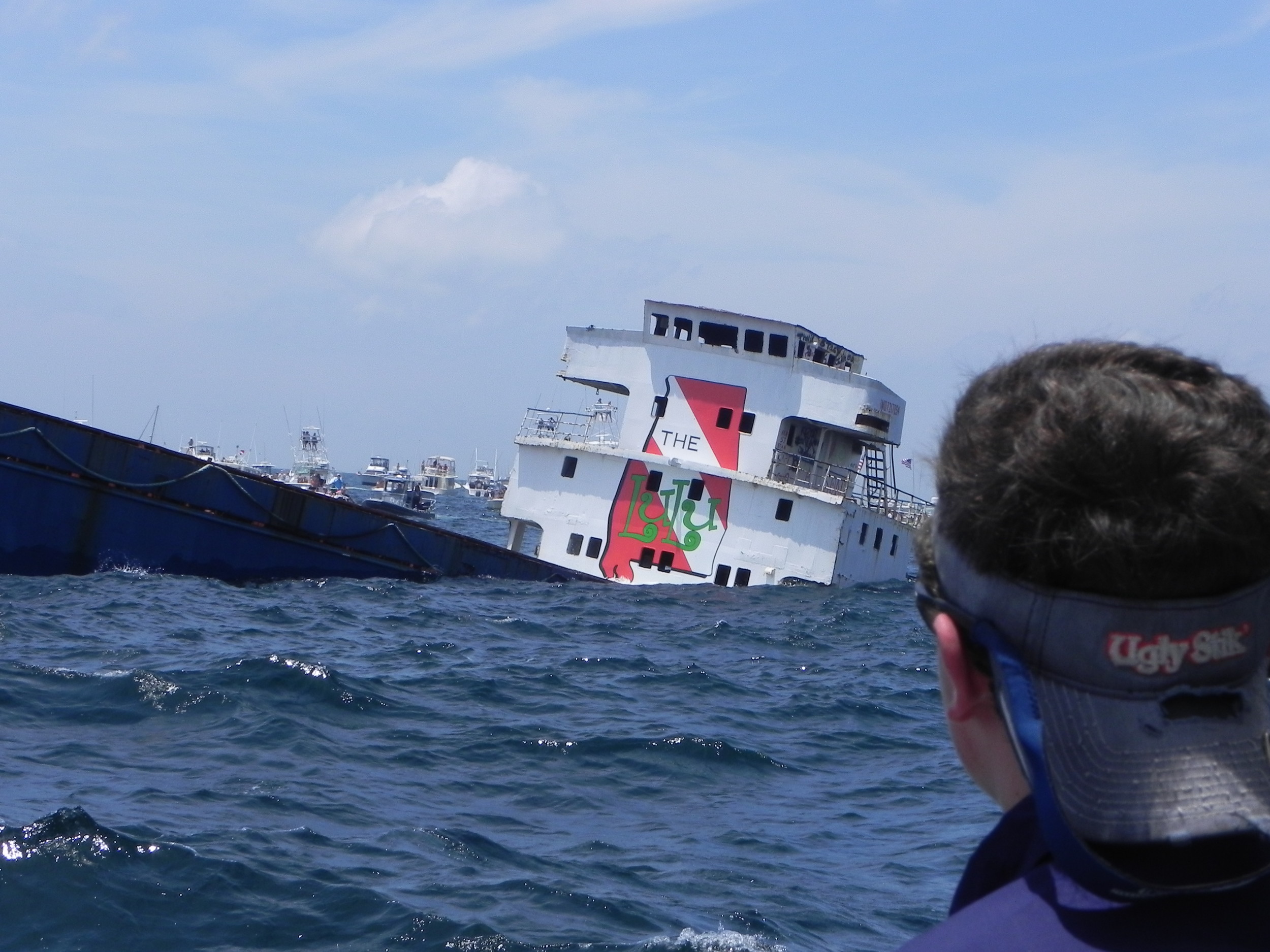
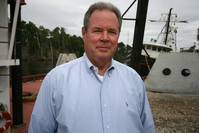
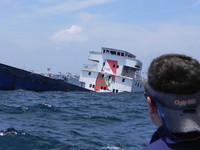
ORANGE BEACH – There’s a buzz of activity at Walter Marine just west of The Wharf complex on the Intracoastal Waterway. And David Walter is looking for big boats to sink.
He just returned from …
This item is available in full to subscribers.
Please log in to continue |
ORANGE BEACH – There’s a buzz of activity at Walter Marine just west of The Wharf complex on the Intracoastal Waterway. And David Walter is looking for big boats to sink.
He just returned from a scouting trip to Miami and has a prospect to show state officials.
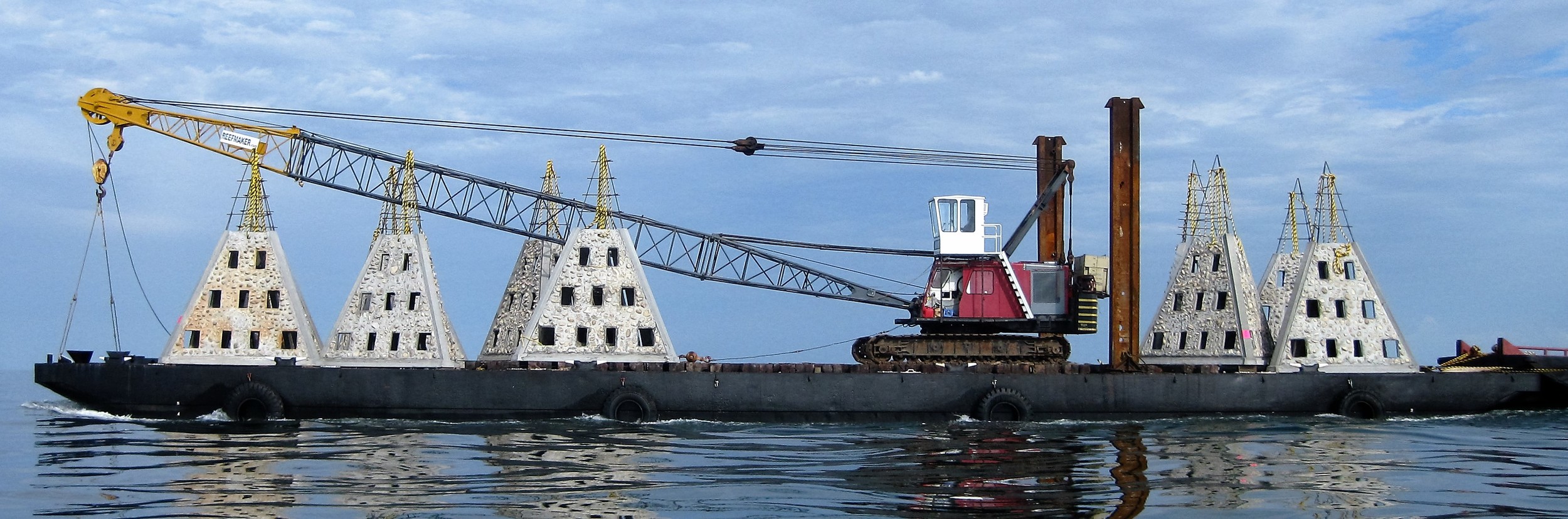
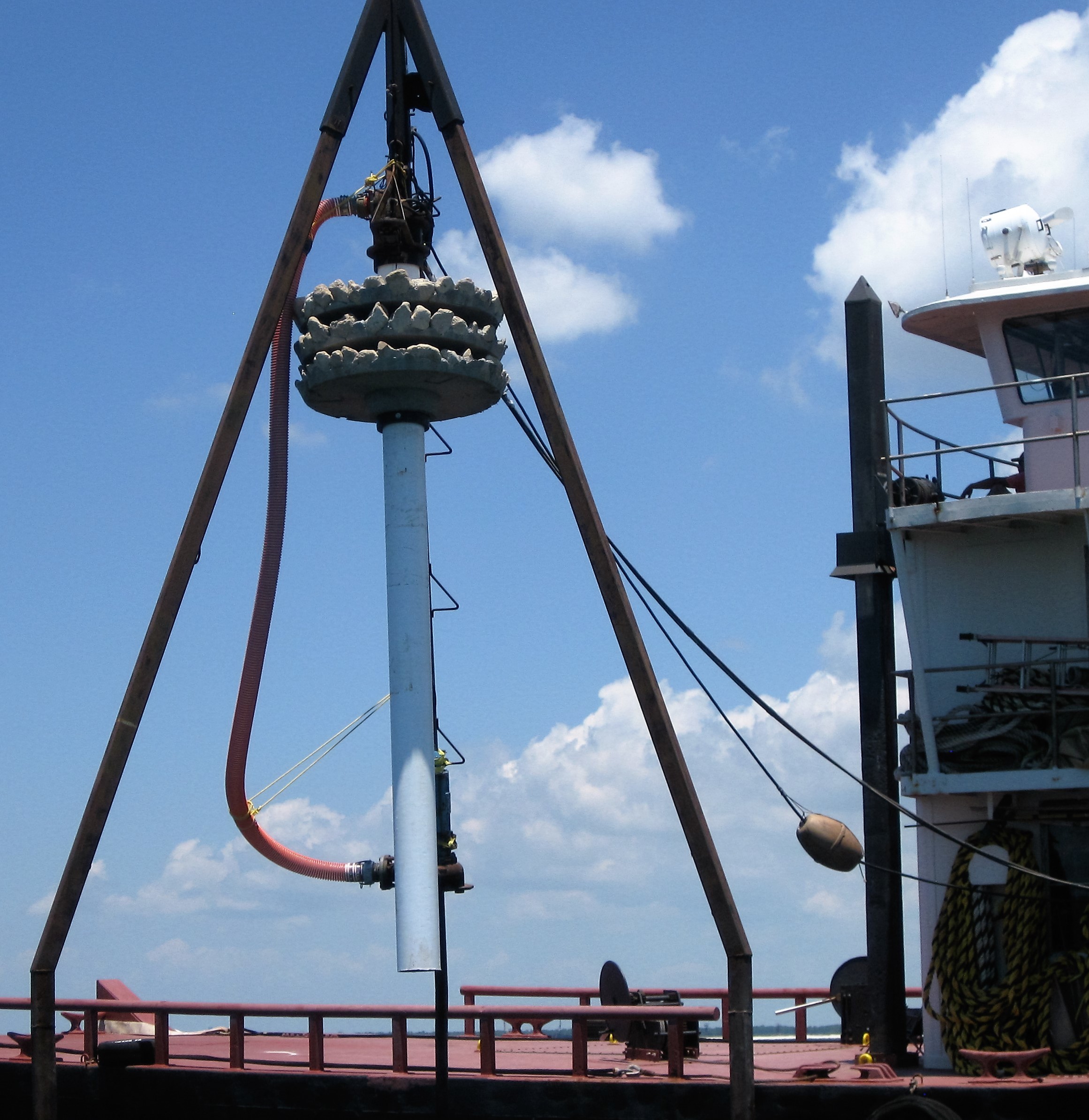
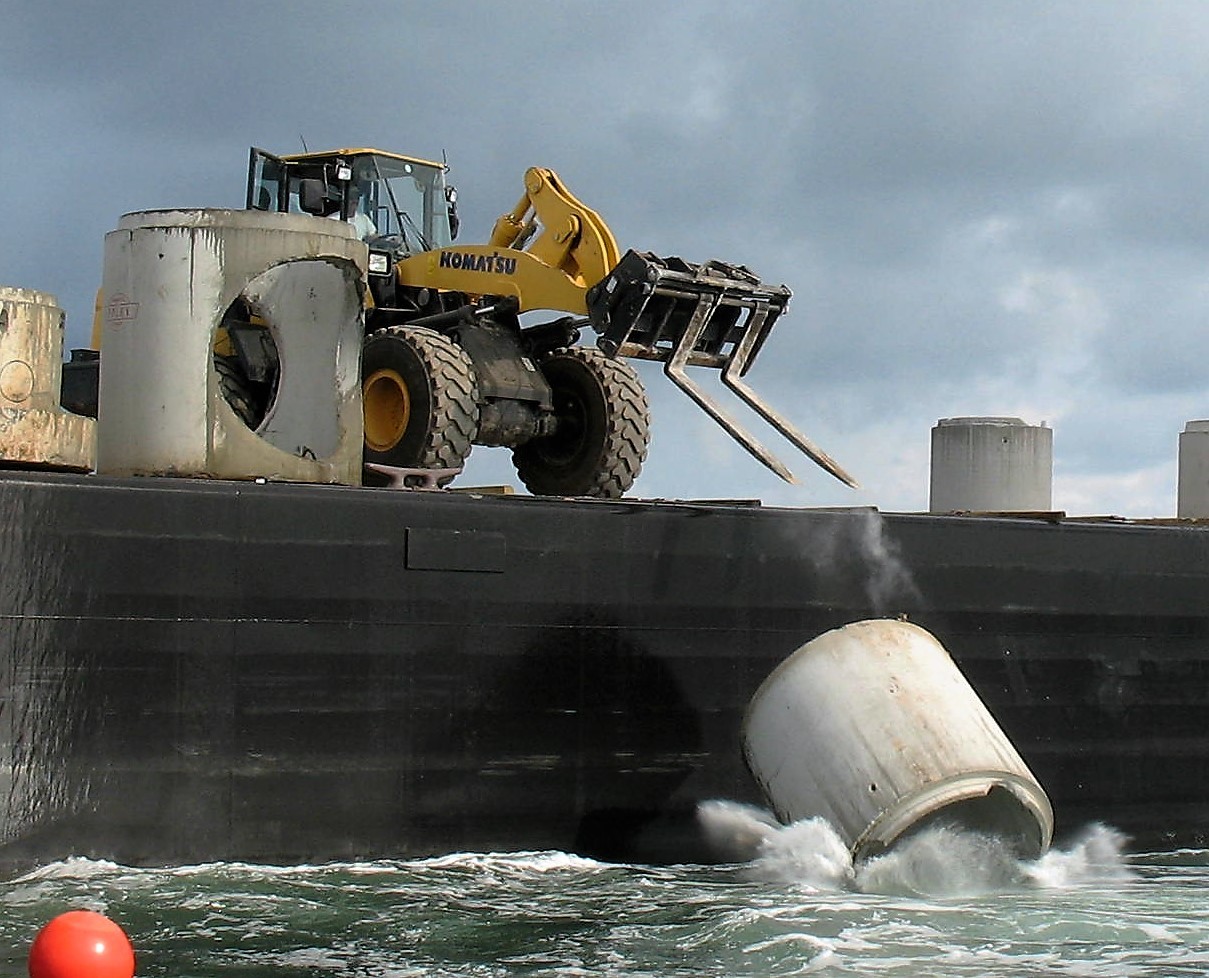
And while the big ships make a big splash, it’s the triangle and smaller round reefs his company makes that have them working steady.
“I can’t make ‘em fast enough,” David Walter said. “I may have to expand operations. I may have to buy a bigger boat. We need to make some more molds.”
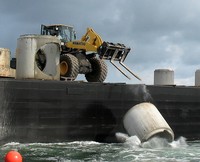
He and son Stewart Walter and crew members are busy filling orders for the concrete and limestone and sandstone reefs that are making the bottom of the Gulf a fish habitat and a dive paradise.
There’s one order for 276 eight-foot reefs going off of Mexico Beach, Fla., with another 10 of the 25-foot super reefs going in there as well.
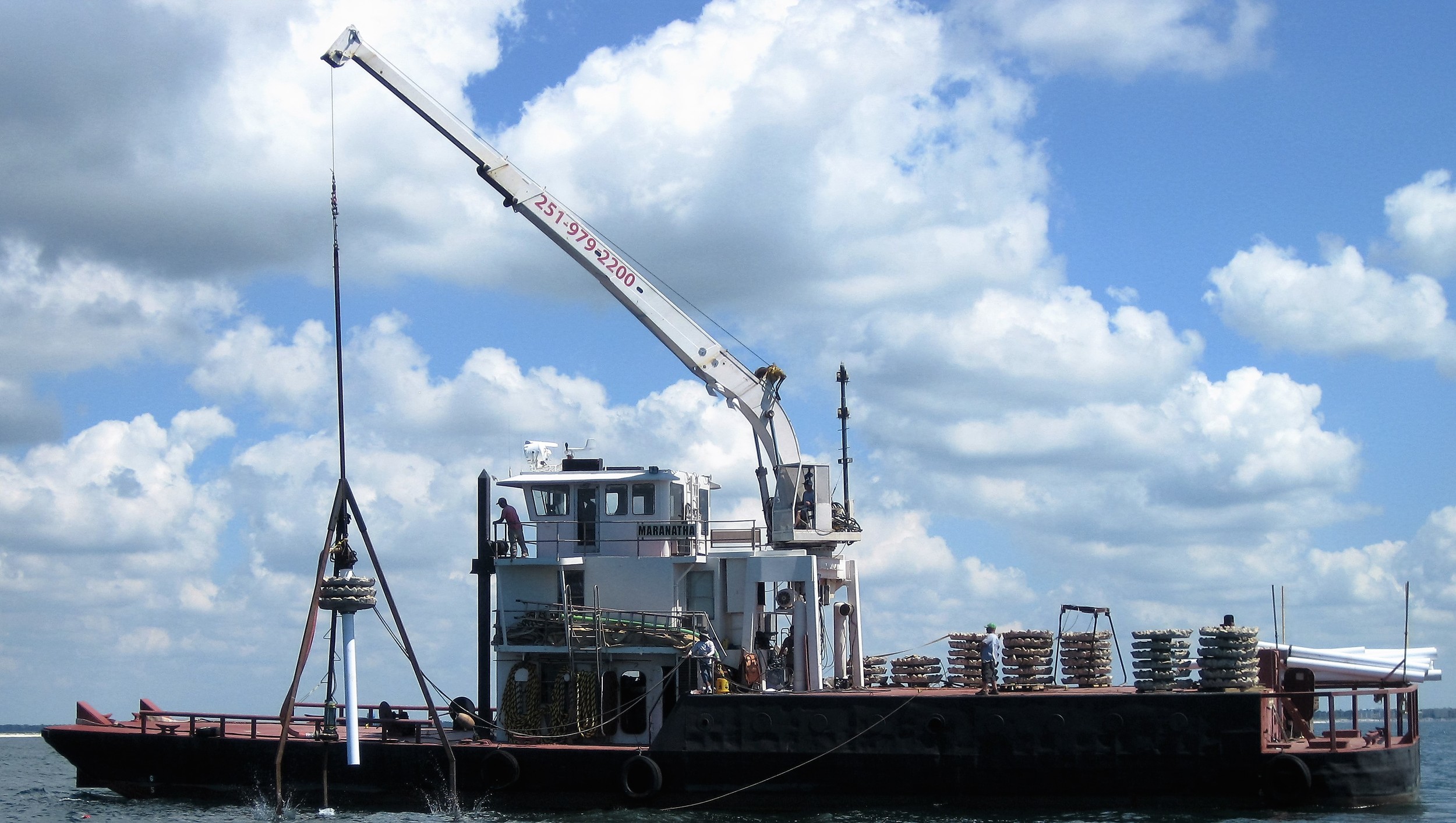
In Alabama waters, 30 of 50 super reefs ordered by the state of Alabama are in place and 10 more were onboard a barge awaiting deployment. The state also bought 125 smaller reefs that will go about three miles off shore in about 30 feet of water. All but 38 of those are in place.
Another 150 of the eight-foot Florida Limestone Reefs have already been deployed by Walter Marine in Alabama at various depths. The most distant ones out are about 42 miles offshore.
Plans are in the works for snorkeling reefs to be placed just past the second sandbar offshore at Gulf State Park Pavilion and east of Perdido Pass. Walter is waiting on the Alabama Reef and Restoration Foundation to finish the permitting process. There would be 30 of the round reefs deployed on each site.
Super reefs that are proving popular were a design requested a few years ago by the Alabama Department of Conservation and Natural Resources.
“The bigger the reef is the more fish it will attract,” Walter said. “The taller the reef is the more likely it will have amberjack. They were trying to do a reef to attract different species of fish and fishermen. They came to us and said we want a reef 25-feet tall.”
The “regular” pyramid reefs Walter has been making for years weigh about 5,000 pounds. The larger ones changed the logistics of deployment, Walter said.
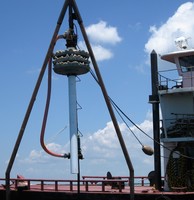
“When you make ‘em 15 feet tall they go to 18 tons,” Walter said. “They asked us to put a 10-foot pyramid on top. That’s why we’ve got a 120-ton crane on the boat there so we can handle ‘em. We can’t handle ‘em on the little Reefmaker.”